Spring Carrot: A Fresh Take on Colorful Typography
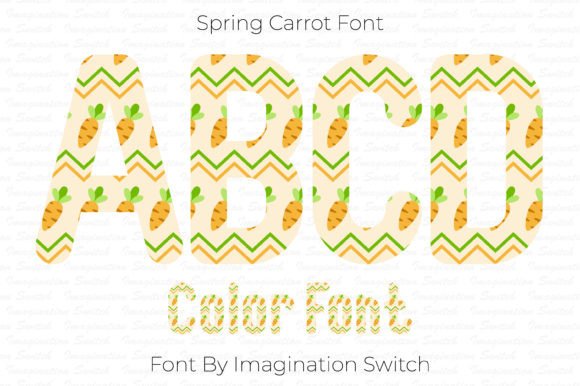
Imagine a typeface that feels like a burst of sunshine after a long winter. That’s the immediate impression Spring Carrot makes. This isn’t just another set of letters; it’s a carefully crafted visual tool where each character is dressed in its own intriguing, thoughtfully chosen color. For designers, entrepreneurs, and creators, it presents a unique opportunity to inject personality and a memorable visual hook directly into the core of your text-based projects.
Understanding the Visual Personality
At its heart, Spring Carrot is a display font, meaning it’s designed to catch the eye and make a statement, typically in headlines, logos, or short bursts of impactful text. What sets it apart is its inherent color palette. The designer has selected a harmonious yet vibrant range of hues for the uppercase, lowercase, and numerical characters. This transforms a simple word into a mini-composition of color. The font family likely includes variations or stylistic sets that allow you to explore different color combinations or maintain consistency across a project.
The legibility is a key consideration. While artistic, the letterforms are constructed with clarity in mind. The colors are chosen to have sufficient contrast against common background colors, ensuring your message isn’t lost in the visual flair. It strikes a balance between being a creative font and remaining a functional typeface for real-world use.
Where This Font Truly Shines: Practical Applications
The true test of any design asset is its versatility. Spring Carrot’s colorful personality opens up a range of applications where it can elevate a project from standard to standout.
- Brand Identity & Logo Design: For brands that are playful, youthful, artisanal, or focused on creativity (think children’s products, gourmet snacks, boutique shops, or creative agencies), this font can become the cornerstone of a brand identity. A logo set in Spring Carrot is instantly recognizable and conveys a sense of fun and originality.
- Packaging Design: On shelf, packaging needs to grab attention in seconds. Using Spring Carrot for product names or key call-outs on labels for jams, cosmetics, stationery, or specialty foods can create immediate visual appeal and a handcrafted feel.
- Social Media & Digital Marketing: In a fast-scrolling feed, static text often gets ignored. A quote graphic, a sale announcement, or a podcast title set in Spring Carrot can stop the scroll. It’s perfect for creating cohesive social media graphics that have a built-in visual style, reducing the need for complex illustrations.
- Web Design & Blogs: While not for body text, it’s excellent for website hero sections, blog post titles, or navigation labels in a web design project aimed at a creative audience. It can set the tone for the entire site experience.
- Print & Editorial Layouts: From poster headlines and magazine feature titles to invitation headers and zine layouts, the font adds a layer of visual interest that standard monochrome fonts cannot. It’s particularly effective in editorial design for topics like art, design, food, or lifestyle.
- Merchandise & Products: Think beyond paper. This font is ideal for designing t-shirt graphics, tote bag slogans, sticker sheets, or even digital products like printable wall art or planner stickers. Its colorfulness translates well to physical and digital goods.
Integrating Spring Carrot Into Your Design Workflow
Adopting a specialty font like this requires a bit of strategy to ensure it enhances rather than overwhelms your project.
Pairing is Everything. Spring Carrot is a star performer, so it needs a supporting cast. The most effective approach is to pair it with a clean, neutral sans serif font or a simple serif font. For example, use Spring Carrot for the main headline and a font like Lato, Open Sans, or a classic serif for subheadings and body text. This creates a clear hierarchy and ensures readability. Avoid pairing it with other highly decorative or script fonts, which can create visual chaos.
Context is Key. Consider your audience and project goal. A vibrant, multi-colored font might be perfect for a children’s birthday party invitation but less suitable for a corporate financial report. Match the font’s personality to the message you want to convey. Its playful nature communicates innovation, creativity, and approachability.
Readability Checks. Always test your text at the actual size it will be viewed. While legible, very small text set in multiple colors can become busy. It’s often most effective at larger sizes where the color detail can be appreciated. Ensure there is enough contrast between the font’s colors and the background it sits on.
Licensing and Usage. As a premium font, it’s crucial to understand the licensing terms. Most commercial fonts like this require a license for commercial use (e.g., for client work, merchandise for sale, or business marketing). Check if the license covers the number of users, the types of projects (print, web, app), and if it includes any commercial font usage restrictions. Respecting the license ensures you’re using the asset ethically and legally.
Ultimately, fonts like Spring Carrot are powerful tools in a modern typography toolkit. They allow you to bake visual interest and brand personality directly into your words. By understanding its strengths and integrating it thoughtfully, you can leverage its colorful charm to create designs that are not only seen but remembered. It’s an invitation to play with color and form, adding that unique touch that can make a project feel truly special.