Cute Daisy: A Fresh Take on Color Fonts for Modern Designers
Every designer hits that moment when a standard black font just won't cut it. You're working on a project that demands personality, a touch of whimsy, and a burst of color that static typefaces can't deliver. Enter the world of color fonts, specifically a standout like the Cute Daisy typeface. This isn't your average script or serif; it's a dynamic design asset that brings floral charm and vibrant hues directly into your text, offering a creative shortcut for projects that need to feel fresh, playful, and visually engaging right out of the box.
What Exactly Is a Color Font and How Does It Work?
Think of a color font, technically known as an OpenType-SVG font, as a tiny piece of vector art for each letter. Traditional fonts are monochrome, defined by simple outlines. Color fonts, however, embed rich color information, gradients, and even textures directly into the font file. When you type with a color font like Cute Daisy, you're not just placing a character—you're inserting a pre-designed, multi-colored graphic element. This technology allows for stunning visual effects that were once only possible by manually creating text in a graphic design program. It’s a game-changer for adding depth and personality quickly.
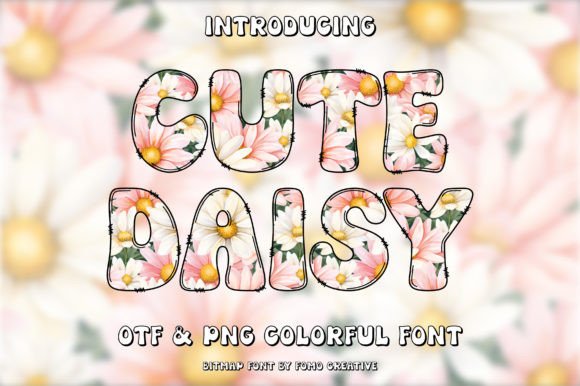
The Cute Daisy typeface leverages this technology to showcase delicate floral motifs and soft color palettes within each glyph. The result is a font that feels handcrafted and artistic, perfect for designs aiming for a friendly, organic, or celebratory tone. It’s important to note its compatibility; as an OpenType-SVG file, it works seamlessly in professional applications like Adobe Photoshop and Illustrator, as well as in programs like Silhouette and Inkscape. However, for crafters using Cricut machines, this specific font format is not compatible, a key consideration for your project planning.
Bringing Projects to Life with Floral Typography
The true value of a creative font like Cute Daisy lies in its practical application. It’s a versatile tool that can solve specific design challenges across various mediums. For small business owners creating product labels, this font can instantly convey a brand story of natural, handmade, or garden-inspired goods. Imagine a honey jar label or a line of botanical soaps—the typography itself becomes part of the product’s identity, enhancing shelf appeal and communicating quality at a glance.
For digital creators and marketers, the applications are equally rich. It can transform a simple social media graphic into a standout post, add a personal touch to email newsletter headers, or make a digital invitation feel truly special. When used thoughtfully, it boosts audience engagement because it’s visually intriguing and memorable. The key is to match the font’s personality—playful, charming, and detailed—to the right context. It’s less suited for dense body copy but shines brilliantly in headlines, logos, and accent text where its intricate details can be fully appreciated.
Strategic Use: Pairing and Practical Considerations
Introducing a bold display font into your design toolkit requires a bit of strategy. The goal is to enhance your message, not overwhelm it. A common and effective practice is to pair a decorative font like Cute Daisy with a clean, simple sans serif or serif font. For instance, use Cute Daisy for a hero headline on a website, then pair it with a neutral sans serif for the subheadings and body text. This creates a clear visual hierarchy, ensuring readability while letting the unique font make its artistic statement.
Before committing to a color font for a major project, always test it in the specific environment where it will be used. Check how the colors render on screen versus in print, as there can be slight variations. Consider the background you’re placing it on; a busy background might compete with the font’s details, while a solid, complementary color will make it pop. Also, review the full character set. A well-designed color font often includes alternates, ligatures, and stylistic sets that give you more creative control, allowing you to customize the look and avoid repetition in longer text passages.
Elevating Brand Identity with Intentional Typography
Typography is a cornerstone of brand identity. The fonts you choose communicate volumes about your brand’s personality before a single word is read. A premium color font like Cute Daisy can be a powerful tool for brands that want to project creativity, warmth, and a connection to nature or craftsmanship. It’s particularly effective for businesses in the wedding industry, floristry, boutique retail, artisan food products, or any service that wants to feel approachable and aesthetically driven.
When building a brand system, think of this font as a specialist asset. You wouldn’t use it for your entire website text, but you might use it for your primary logo, specific product names, or key call-to-action buttons to draw the eye. This selective use helps maintain visual consistency across all your touchpoints—from your packaging and print materials to your digital ads and social media graphics—while keeping the design feeling cohesive and professional. It’s about using the right tool for the right job to create a lasting impression.
Final Thoughts on Creative Font Selection
Choosing a font is ultimately a creative decision rooted in practicality. The Cute Daisy color font offers a specific, high-impact aesthetic that can set a project apart. Its value isn’t just in its visual appeal but in its ability to save time, inject personality, and communicate a nuanced brand story through typography. As with any design asset, understanding its strengths and limitations—like its compatibility with specific software and its best use for display purposes—allows you to leverage it effectively. Whether you’re designing a line of greeting cards, launching a new product, or crafting a social media campaign, having a versatile and visually striking font in your collection can be the spark that elevates your work from good to genuinely memorable.