Bring Irish Charm to Your Designs with This Festive Typeface
Every year around mid-March, designers face the same challenge: capturing the essence of St. Patrick’s Day without relying on the same tired, cliché imagery. While stock photos of green beer and leprechauns have their place, there is a more sophisticated way to evoke the "luck of the Irish." Typography is often the unsung hero of seasonal marketing, and finding a font that balances festive cheer with professional polish can be difficult. This is where a specialized design asset comes into play, offering a fresh perspective on a beloved holiday.
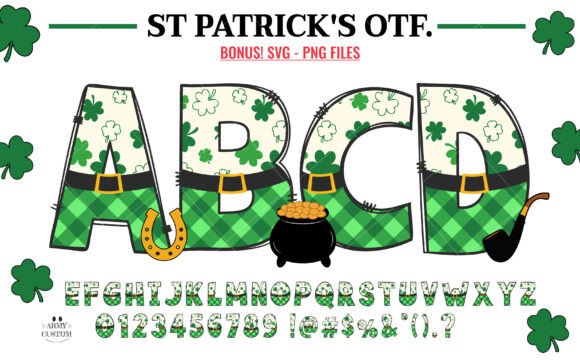
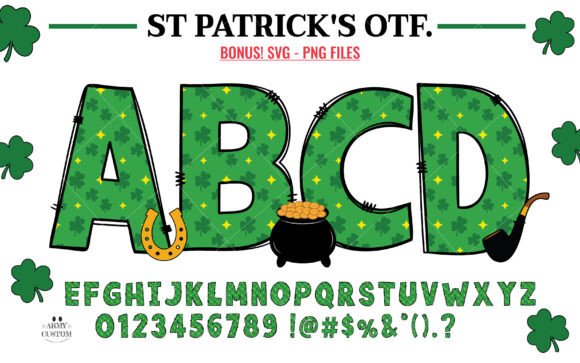
Introducing St. Patrick’s Day Shamrock, a fresh burst of vibrant green hues masterfully interwoven into cute shamrock patterns. This radiant font infuses your designs with a delightful Irish charm, invoking the merry spirit of St. Patrick’s Day each time you make a creative imprint. Unleash your creativity with St. Patrick’s Day Shamrock and watch your designs bloom with energy, just like a field of Irish clovers. It serves as a bridge between playful holiday spirit and serious visual communication, making it an invaluable tool for anyone looking to stand out during the spring season.
The Visual Appeal of Pattern-Based Typography
What sets this typeface apart from standard serif fonts or sans serif fonts is its construction. Unlike traditional typefaces that rely on solid strokes and curves, St. Patrick’s Day Shamrock incorporates intricate clover motifs directly into the letterforms. This creates a textured, dynamic look that flat fonts simply cannot achieve. It functions as a display font, meaning it is designed to catch the eye rather than be used for long blocks of body copy. The visual interest lies in the negative space and the fill of the letters, transforming simple words into complex illustrations.
For brand identity work, this visual complexity is a major asset. If you are a small business owner launching a seasonal campaign, you need graphics that stop the scroll on social media. The "cute shamrock patterns" mentioned in the description aren't just decorative; they provide immediate context. A viewer sees the text and instantly understands the theme without needing additional explanation. This efficiency is crucial in marketing assets where space and attention spans are limited.
Practical Applications for Creative Professionals
The versatility of this creative font extends across various mediums. It is not limited to digital use; its bold structure makes it ideal for physical goods as well. Here is how different professionals can leverage this asset:
- Packaging Design: For bakeries, breweries, or craft sellers, packaging is the first physical touchpoint with the customer. Using this font on labels for limited-edition Irish soda bread or stout can instantly signal the product's theme. It works particularly well on kraft paper or matte finishes where the texture of the font can mimic the tactile quality of the packaging.
- Merchandise and Apparel: T-shirt designers know that holiday merch sells in high volumes. The shamrock-filled letters are perfect for the front of a sweatshirt or a tote bag. Because the font is so visually busy, it often works best as a standalone graphic element, perhaps paired with a simple date or a short phrase like "Lucky Charm."
- Event Invitations: Whether it is a corporate mixer or a neighborhood block party, invitations set the tone. A script font might feel too formal, while a standard sans serif might feel too corporate. This typeface hits the sweet spot of "festive fun." It suggests a relaxed atmosphere where guests can enjoy themselves.
- Digital Products: If you sell digital planners or sticker sets, incorporating this font into your St. Patrick’s Day collection adds significant value. Customers look for unique elements that they cannot design themselves, and a high-quality premium font fits that bill perfectly.
Strategic Branding and Audience Engagement
Using a thematic font is about more than just decoration; it is a strategic move for visual consistency. When a brand changes its typography for a season, it signals to the audience that the brand is active, current, and participating in the cultural conversation. For a blogger or content creator, switching up headers to St. Patrick’s Day Shamrock for a few weeks can revitalize a website’s look without a complete rebrand. It shows attention to detail and a commitment to the user experience.
However, maintaining professional presentation requires restraint. Because this is a highly stylized handwritten font (in spirit, if not in execution), it should be used sparingly. It is a display typeface, meaning it shines brightest in headlines, logos, and call-outs. If you try to use it for paragraph text, you will likely run into readability issues. The intricate patterns within the letters can become muddy and difficult to decipher at small sizes. Always pair it with a clean, legible body font—perhaps a simple geometric sans serif—to ensure your message is actually read.
Matching Typography to Project Goals
When selecting a font for a project, the goal dictates the choice. If your goal is to convey elegance, you might choose a serif font. If your goal is modern minimalism, a sans serif font. But if your goal is joy, celebration, and a specific cultural moment, St. Patrick’s Day Shamrock is the answer. It is particularly effective for logo design for temporary pop-up shops or seasonal menu headers for restaurants.
Consider the context of editorial design as well. A magazine or newsletter covering "Top 10 Pubs in Dublin" or "Best Green Desserts" could use this font for section dividers or pull quotes. It breaks up the monotony of standard text and adds a thematic flair that engages the reader.
One practical piece of advice for working with such a bold typeface is to pay attention to color. While "vibrant green" is the obvious choice, consider how the font looks in white against a dark green background, or even in gold foil for a more premium feel. Testing these font pairings and color combinations early in the design process will save you time later.
Licensing and Commercial Usage
For designers and entrepreneurs, the technical side of font usage is just as important as the aesthetic. Before incorporating St. Patrick’s Day Shamrock into a client’s brand identity or a product for sale, you must verify the licensing. Most commercial fonts require a specific license for use in merchandise (like t-shirts or mugs) or for use in software/apps.
Check the terms provided with the font file. usually, a desktop license covers print materials and static images, while a web license covers web design. If you are creating social media graphics for a client, ensure your license covers "work for hire." Understanding these distinctions protects your business and ensures you are respecting the intellectual property of the type designer. This due diligence is a hallmark of a professional creative entrepreneur.
Ultimately, St. Patrick’s Day Shamrock is more than just a holiday gimmick. It is a specialized tool that, when used correctly, can elevate a campaign from generic to memorable. It captures the specific energy of a spring celebration, offering a burst of personality that generic fonts lack. Whether you are designing a poster for a local parade or crafting a digital ad for an international audience, this font provides the visual shorthand for fun and festivity. By integrating it thoughtfully into your workflow, you ensure your designs not only look good but also resonate deeply with the spirit of the occasion.