Artsy Alphabet: A Colorful Typeface for Unforgettable Projects
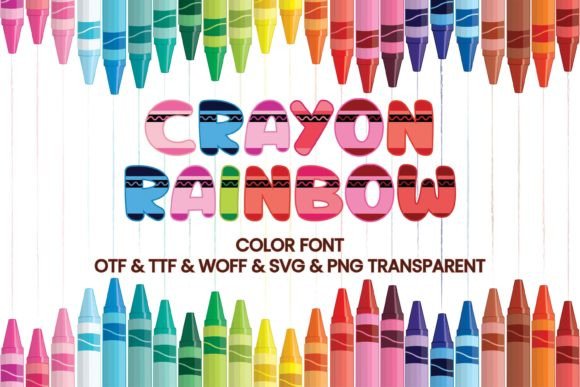
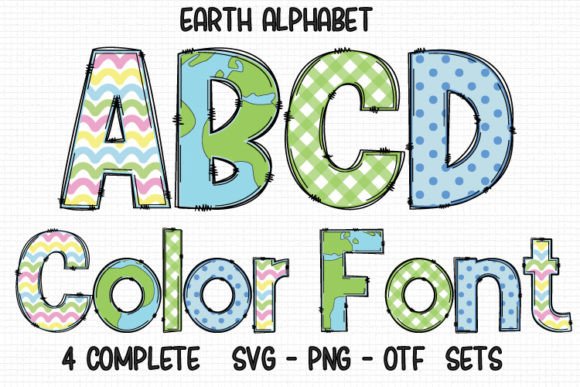
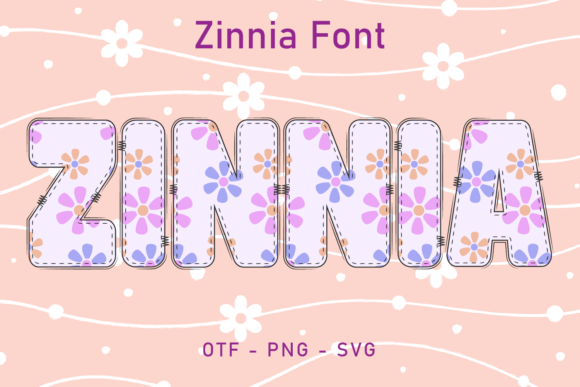
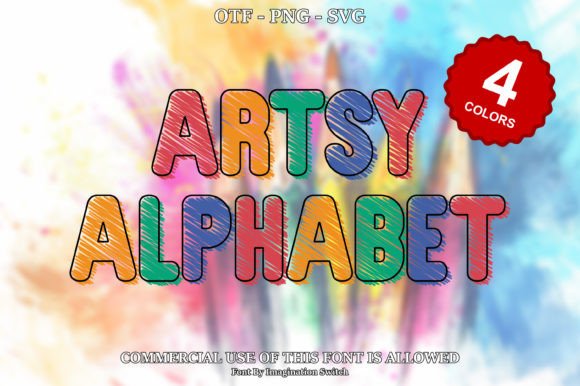
There are moments in every creative project where you need a spark. You’ve nailed the concept, the color palette is perfect, but the text feels… flat. This is where a font like Artsy Alphabet steps in. It’s not just another set of letters and numbers; it’s a vibrant, pre-designed visual asset that injects personality and color directly into your typography. Imagine a typeface where every character is its own tiny work of art, crafted with a unique color combination to make your words pop off the page or screen. That’s the core promise of this distinctive display font.
More Than Just a Pretty Font
What makes a font like this so visually captivating? It moves beyond monochromatic simplicity. Each character in the Artsy Alphabet family has been meticulously designed with its own color profile, creating a mesmerizing effect when used in headlines, logos, or accent text. This isn’t just about being colorful; it’s about being intentionally colorful. The hues are chosen to complement each other, ensuring that while each letter stands out, they also work together to form a cohesive and engaging word. For designers, this means you’re not just choosing a typeface—you’re selecting a built-in color story that can align with or enhance your brand’s palette.
This approach solves a common design challenge: how to create standout typography without spending hours manually coloring individual letters. The font does the heavy lifting, offering a complete set of uppercase, lowercase, and numerical characters, all ready to go. This makes it an incredibly efficient tool for projects where time is as valuable as aesthetics. Whether you’re crafting a social media graphic that needs to stop the scroll or designing packaging that must catch a shopper’s eye from a distance, this font provides that immediate visual impact.
Where This Font Truly Shines: Practical Applications
The versatility of a creative font like this is one of its greatest strengths. Its excellent legibility, despite its artistic nature, makes it suitable for a surprising range of applications. Think of it as your secret weapon for projects that demand both creativity and clarity.
- Brand Identity & Logo Design: For a brand that wants to project creativity, playfulness, or modernity, Artsy Alphabet can become a cornerstone of its visual identity. Use it for a logo mark, a brand name in a header, or on business cards to make a memorable first impression. It’s particularly effective for businesses in creative industries, children’s products, event planning, or any brand that wants to stand apart from corporate austerity.
- Packaging & Merchandise: On a shelf crowded with products, color and uniqueness win. This font can make product names on labels, tags, or boxes instantly more appealing. It’s perfect for artisan goods, boutique items, or limited-edition merchandise where the packaging is part of the experience.
- Digital Presence: In the fast-paced world of social media, grabbing attention is everything. Use it for Instagram story headlines, Pinterest pin titles, YouTube thumbnails, or website hero banners. The built-in color adds a dynamic element that static text can’t match, helping to increase engagement and click-through rates.
- Print & Editorial Design: Don’t limit it to digital. This typeface excels in print materials like posters, flyers, invitations, and magazine layouts. It can define a section header, highlight a pull quote, or add flair to a poster for a community event, concert, or sale.
- Editorial & Digital Products: For bloggers, content creators, or authors designing an e-book cover, a chapter title set in Artsy Alphabet can set the tone for the entire piece. It signals creativity and care in the presentation, enhancing the perceived value of your digital product.
Aligning Typography with Your Project Goals
Choosing the right font is a strategic decision, not just an aesthetic one. A font communicates tone, quality, and intent. Artsy Alphabet communicates innovation, energy, and attention to detail. Before you integrate it, consider these practical points to ensure it works harmoniously within your design system.
Font Pairing is Key: A display font with this much personality is best used for headlines, logos, and short bursts of impactful text. Pair it with a clean, simple sans serif font or a classic serif font for body copy. This creates a balanced hierarchy—the Artsy Alphabet draws the eye and conveys the main message, while the supporting font ensures longer text remains easy to read. For example, a bold, colorful headline paired with a neutral sans serif like Montserrat or Lato for paragraphs creates a professional and readable layout.
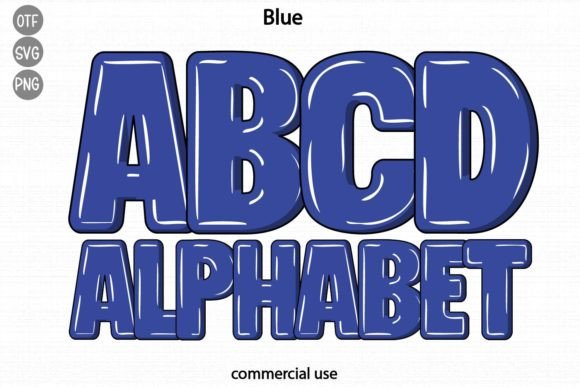
Context Matters: Always consider the medium. For web design, ensure the font size is large enough to maintain its legibility on screen. In packaging, test how the colors reproduce in print—what looks vibrant on a monitor may need adjustment for CMYK printing. Its compatibility is also crucial. The black version of this font works seamlessly with cutting machines like Cricut, making it ideal for crafters creating custom decals, T-shirts, and home decor. However, the full-color version requires specific design software like Adobe Photoshop, Illustrator, or Silhouette Studio, so plan your workflow accordingly.
Commercial Licensing: If you’re using this font for client work, merchandise for sale, or any commercial project, always verify the licensing. A premium font like this typically includes a license that permits such use, but it’s your responsibility to ensure you’re compliant. This protects both you and the font creator.
Expressing Creativity with Confidence
Ultimately, a tool like the Artsy Alphabet font empowers you to express your ideas with more vibrancy and confidence. It removes a barrier for those who may not have advanced color theory skills but want to produce visually stunning typography. It’s a design asset that can elevate a project from good to unforgettable, helping to strengthen brand recognition and create a more engaging experience for your audience.
As you explore your next creative endeavor—whether it’s launching a new product line, revamping your website, or creating a series of social media posts—consider the role your typography plays. Does it reflect the energy and uniqueness of your brand? Could a touch of well-placed color transform how your message is received? Sometimes, the most impactful creative decisions are the simplest ones, like choosing a typeface that already embodies the visual flair you’re striving for.