Adding Playful Color to Your Designs with Cute Egg
There’s a specific feeling you get when a design makes you smile before you’ve even read the words. It’s a sense of warmth, whimsy, and approachability that cuts through the noise of sleek, corporate aesthetics. In a world saturated with minimalist sans-serifs and serious serifs, finding a typeface that can inject genuine personality and joy into a project is like discovering a hidden gem. This is where the power of a truly expressive color font comes into play, offering a vibrant alternative for designers and creators who want their work to radiate charm.
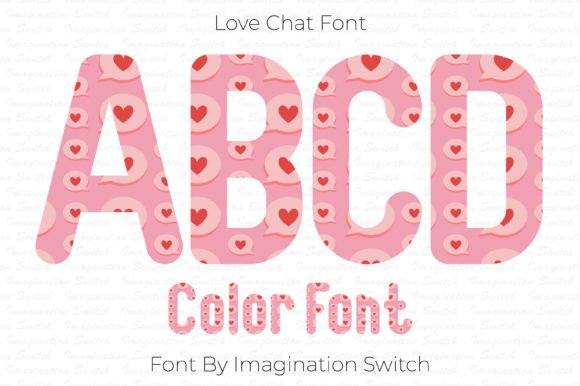
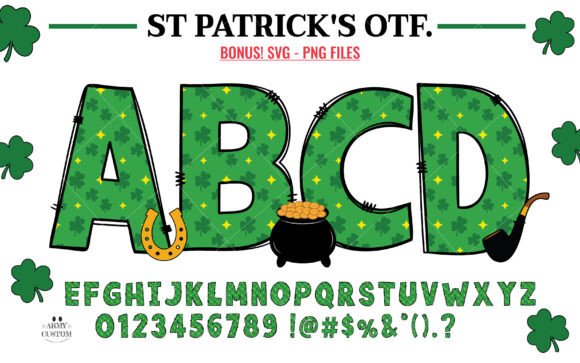
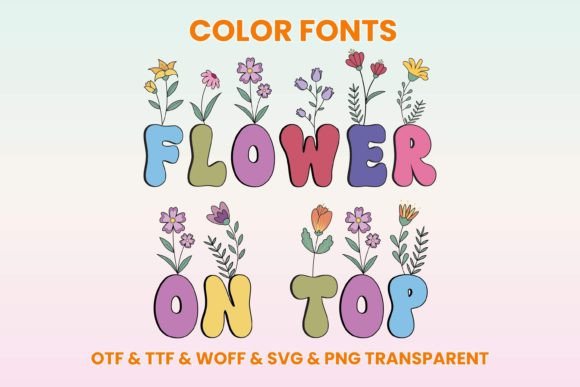
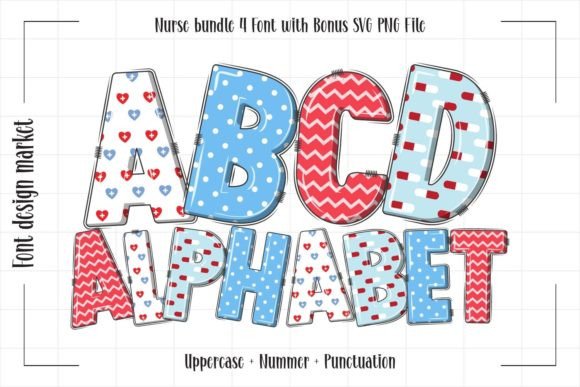
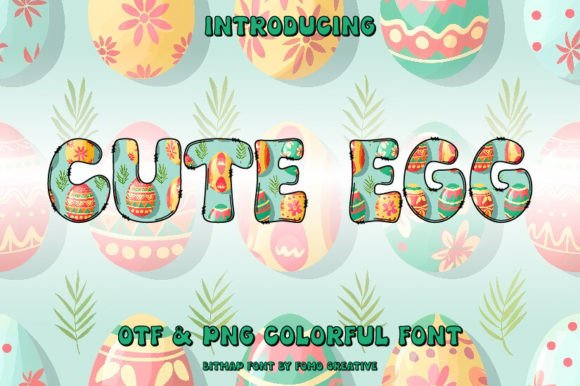
Cute Egg is a captivating color font, exuding charm and playfulness in every letter. With its lively and vibrant hues, it adds a delightful touch to various designs, from invitations to posters. Its whimsical characters and colorful palette make it perfect for projects that seek to evoke joy and creativity. But its appeal goes beyond just looking fun. For small business owners, content creators, and marketers, this typeface presents a unique tool for visual communication that can transform how an audience perceives a brand or message.
More Than Just a Pretty Face: Practical Applications for a Whimsical Typeface
While its name suggests something soft and endearing, the applications for a premium font like Cute Egg are surprisingly versatile. Its strength lies in its ability to be the centerpiece of a design, instantly setting a friendly and energetic tone. Think beyond the obvious. Yes, it’s perfect for a child’s birthday party invitation or a bakery’s menu board, but its potential in commercial and branding contexts is where it truly shines.
For a small business, especially one in the artisan, food, or lifestyle space, this font can become a cornerstone of brand identity. Imagine it gracing the logo for a handmade cosmetics company, instantly communicating the gentle, natural ingredients inside. Picture it on packaging for gourmet cupcakes or organic teas, where the colorful, playful letters promise a delightful experience. In these cases, the font isn’t just text; it’s a visual promise of the product’s personality.
In the digital realm, its impact is immediate. Social media graphics featuring Cute Egg stop the endless scroll. A bold, colorful headline for an Instagram post about a new product launch or a sale feels more like an invitation than an advertisement. On a website, it can be used strategically for key headings, calls to action, or promotional banners to guide the visitor’s eye and create a memorable point of engagement. Bloggers and content creators can use it for featured image titles or section headers to break up text and add visual interest, making their content more skimmable and engaging.
Integrating Whimsy into Your Design Workflow
Adopting a creative font like this into your projects requires a thoughtful approach to ensure it enhances rather than overwhelms. The first step is understanding its personality. Cute Egg is inherently expressive and attention-grabbing, which means it works best in display roles. Use it for headlines, logos, and short bursts of text where you want to make a strong emotional impact. It’s generally not suited for long paragraphs of body copy, where readability under sustained reading is paramount.
One of the most critical practices in modern typography is font pairing. A whimsical display font needs a stable partner to create balance and hierarchy. Consider pairing Cute Egg with a clean, simple sans serif font for body text. The contrast allows the playful headline to pop while ensuring the supporting text remains easy to read. For example, a project for a children’s educational app might use Cute Egg for the app title and a friendly, rounded sans serif for all the instructional text, creating a system that is both fun and functional.
Before finalizing your design, always test the font in context. How does it look on a mobile screen versus a printed brochure? Does the color rendering work across different devices and printers? Reviewing all the included font styles and alternates is also key. Many premium color fonts come with different variations or glyphs that can help you customize the look further, ensuring your design feels unique.
Aligning Typography with Project Goals and Audience
The decision to use a font like Cute Egg should always stem from your project’s core objective and target audience. It’s an excellent choice for brands and projects targeting families, young adults, or anyone with a love for creativity and positivity. A startup selling quirky stationery, a community center promoting kids' workshops, or a wedding planner specializing in fun, themed events would find this typeface aligns perfectly with their brand voice.
Conversely, it might not be the right fit for a law firm or a financial institution. This isn’t a limitation but a strength—it helps define the brand’s character. For marketing assets, consider the platform. A playful, colorful header in an email newsletter can increase open rates by sparking curiosity, while the same font on a formal report might undermine credibility. The key is to match the font’s energy with the message’s intent.
From a branding perspective, using a distinctive font consistently across touchpoints—from your website and social media to your packaging and invoices—builds strong brand recognition. When customers see those specific, cheerful letterforms, they immediately associate them with your brand’s unique personality. This visual consistency is a powerful tool for standing out in a crowded marketplace.
Final Considerations for Your Creative Toolkit
When exploring any new design asset, especially a commercial font, it’s wise to consider the practicalities. Always check the licensing terms to ensure the font is cleared for your intended use, whether for personal projects, client work, or merchandise you plan to sell. A reputable premium font will come with clear licensing that protects both you and the font creator.
Ultimately, typography is one of the most direct ways to communicate feeling. A font like Cute Egg offers a direct line to emotions of joy, creativity, and warmth. It’s a tool for telling a more vivid visual story. Whether you’re designing a logo for a new small business, creating engaging social media content, or designing a poster for a local event, allowing a bit of whimsy into your typography can make all the difference in connecting with your audience on a human level.