Crayon Rainbow: A Playful Typeface for Vibrant Projects
There's a certain magic in the way a simple crayon drawing can capture pure joy. The uneven lines, the bold saturation, and the unmistakable texture of wax on paper evoke a sense of unfiltered creativity and nostalgia. For designers and creators seeking to channel that same energetic, cheerful vibe into their digital work, a font like Crayon Rainbow offers a direct path. This isn't just another display font; it's a tool designed to inject personality, warmth, and a hands-on aesthetic into a wide array of projects, from commercial branding to personal crafts.
Understanding the Font's Personality and Visual Appeal
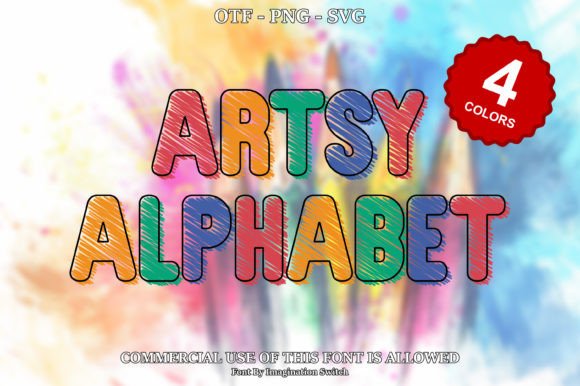
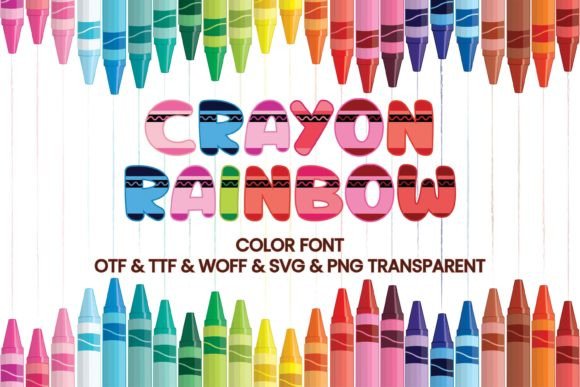
Crayon Rainbow is fundamentally a color font, a typeface that contains not just glyph shapes but also embedded color information. This allows it to render letters in a vibrant, multi-hued spectrum right out of the box, mimicking the look of a child's rainbow crayon scribble. Its visual character is defined by its textured, slightly irregular outlines and a bold, friendly weight. This combination makes it feel approachable, energetic, and inherently fun. It stands in stark contrast to the clean precision of a modern sans serif font or the classic formality of a serif font. Instead, it occupies a unique space as a creative font that prioritizes emotional impact and immediate recognition over subtle elegance.
The font's appeal lies in its ability to communicate a specific tone instantly. A project using Crayon Rainbow signals playfulness, creativity, accessibility, and a break from the mundane. This makes it particularly effective for audiences that value authenticity and a less corporate feel, such as in children's products, artisanal goods, or community-focused initiatives.
Practical Applications Across Creative and Commercial Projects
The true test of any design asset is its versatility. Crayon Rainbow finds its strength in projects where the goal is to attract attention and evoke a positive, memorable reaction. Consider its use in logo design for a family-friendly bakery, a toy store, or a creative workshop. The font instantly communicates the brand's personality without a single line of descriptive text. For packaging design, especially for products aimed at kids or the young at heart, it can make shelf appeal skyrocket. Imagine a snack box or a craft supply label bursting with this colorful typeface.
In the digital realm, it's a powerhouse for social media graphics. A bold, colorful headline for an Instagram story, a Facebook post promoting a sale, or a YouTube thumbnail can stop the scroll and boost engagement. For blog headers or website banners on platforms like Shopify or Squarespace, it can set a cheerful tone for a site focused on parenting, DIY, or education. The font also shines in merchandise design—think t-shirts, mugs, tote bags, and stickers sold on platforms like Etsy or Redbubble. Its playful nature is perfect for invitations to birthday parties, baby showers, or casual events.
Even in more traditional print materials like posters for a school fair, flyers for a community event, or editorial layouts in a magazine targeting young readers, Crayon Rainbow can add a dynamic focal point. It's equally at home in digital products like printable planners, educational worksheets, or social media template kits.
Integrating Crayon Rainbow into Your Design Workflow
Using a distinctive font like this effectively requires some strategic thinking. Its high personality means it's rarely suitable for long blocks of body text. Instead, think of it as a headline or accent font. A common and effective strategy is to pair it with a highly readable, neutral font. For example, combining Crayon Rainbow with a clean sans serif font like Open Sans or Lato for subheadings and body copy creates a balanced hierarchy. The display font grabs attention, while the secondary font ensures clarity and readability for detailed information.
Before finalizing a design, always test font pairings in context. Does the colorful headline clash with or complement the imagery? Is the text still readable at the intended size, especially on smaller screens? Because it's a display font, legibility can decrease at very small point sizes, so reserve it for larger applications.
It's also crucial to understand the technical specifications. The font package includes different versions for different purposes. The black version is compatible with cutting machines like Cricut Design Space, making it ideal for physical craft projects using vinyl or cardstock. However, the full-color version, which delivers the signature rainbow effect, is only compatible with advanced design software like Adobe Photoshop, Illustrator, Silhouette Studio, and Inkscape. This is a critical distinction for crafters and designers to note to avoid workflow frustrations.
Aligning Typography with Brand Identity and Goals
Choosing a premium font like Crayon Rainbow is more than an aesthetic decision; it's a branding one. The typefaces you use become part of your visual consistency and brand recognition. If your brand identity is built around joy, creativity, and approachability, this font can be a core component of your visual language. It helps build an immediate emotional connection with your target audience.
However, this alignment must be intentional. A law firm or a luxury financial service would find this font misaligned with their goals of conveying trust, seriousness, and exclusivity. But for a children's music teacher, a graphic designer specializing in playful branding, or a small business selling handmade toys, it could be the perfect design asset to differentiate themselves in a crowded market.
When incorporating any new commercial font, always review the licensing terms to ensure your intended use—whether for client work, merchandise for sale, or digital products—is covered. This due diligence protects your business and respects the work of the font's creators. Ultimately, a font like Crayon Rainbow is a powerful tool in a creator's kit, but its effectiveness hinges on using it thoughtfully to tell the right story for the right project.