Why Three Point is the Color Font Your Brand Needs Right Now
Let's be honest: choosing a font is one of those design tasks that can feel both mundane and strangely paralyzing. You scroll through endless libraries of serifs, sans-serifs, and scripts, searching for that one typeface that doesn't just sit there but actually does something. Most fonts are functional, sure, but they lack a pulse. They don't grab attention or tell a story on their own. That’s where a premium font like Three Point changes the game entirely. It’s not just a set of characters; it’s a complete visual identity baked right into the alphabet, offering a vibrant, ready-made aesthetic that can instantly elevate a project from standard to standout.
A Typeface with Built-In Personality
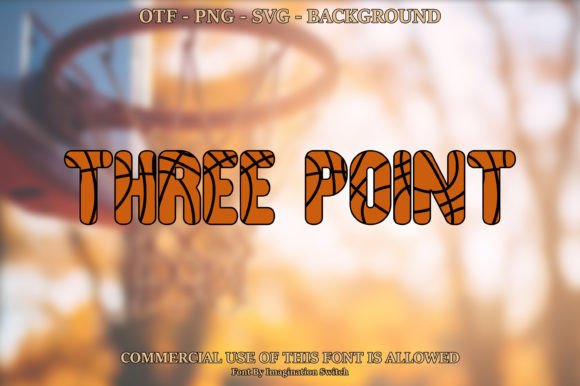
What immediately sets Three Point apart is its thoughtful use of color. This isn't a simple black or white typeface. Instead, each character—uppercase, lowercase, and number—is rendered in carefully chosen, intriguing hues that create a mesmerizing visual effect. Imagine a logo or a headline where every letter is a subtle, complementary shade of the next. The result is a dynamic, engaging texture that adds depth and personality without needing additional graphics or complex design work. For a small business owner or content creator, this built-in visual flair is a powerful asset. It means you can achieve a polished, creative look even if your design skills are basic. The font itself does the heavy lifting, providing a unique color touch that makes words and numbers genuinely pop off the page.
Practical Magic: Where to Use This Creative Font
The real value of a design asset like Three Point lies in its versatility. It’s a creative font engineered for real-world application across both digital and print landscapes. Think about your brand’s touchpoints. A logo set in Three Point becomes instantly memorable, its colorful characters acting as a signature. Social media graphics—those Instagram stories, Facebook ads, or Pinterest pins—gain an eye-catching quality that stops the scroll. For packaging design, particularly for products aimed at a youthful or creative market, this typeface can communicate fun, innovation, and style at a glance.
But its utility extends far beyond logos and posts. Consider using it for:
- Promotional Materials: Flyers, posters, and banners where you need to command attention in a busy space.
- Invitations & Greeting Cards: Adding a festive, personalized touch to events or stationery.
- Web Design & Blogs: Creating impactful hero sections, pull quotes, or section headers that enhance readability through visual interest.
- Editorial Layouts: Giving magazines, newsletters, or digital publications a modern, artistic edge.
- Digital Products: Designing standout cover art for e-books, workbooks, or online course materials.
- Merchandise: Applying it to t-shirts, tote bags, or mugs for a trendy, graphic appeal.
Enhancing Your Brand's Visual Communication
Consistency is the cornerstone of strong brand identity. When you select a distinctive font like Three Point and use it strategically across your marketing assets, you create a cohesive visual language. Customers begin to associate those colorful, unique letterforms with your business. This boosts brand recognition significantly. More than just looking good, the font’s excellent legibility ensures your message is always clear, whether it’s viewed on a smartphone screen or a printed brochure. The balance between its artistic color treatment and clean character design means it doesn’t sacrifice readability for style—a critical consideration for any professional presentation.
For marketers and entrepreneurs, this means your audience isn’t just seeing your words; they’re experiencing them. The engaging visual presentation can lead to better audience engagement, as people are naturally drawn to content that feels fresh and well-designed. It transforms a standard announcement into something that feels curated and intentional.
Tips for Integrating Three Point into Your Workflow
Adopting a new font, especially one with as much character as this, requires a bit of strategy. First, always review the full character set. Understanding the range of uppercase, lowercase, numerals, and any punctuation or symbols included will help you plan your designs more effectively. Since it’s a display font, it’s often best used for headlines, titles, and short bursts of text where its visual impact can shine without overwhelming the reader.
Font pairing is your next key step. A bold, colorful typeface like Three Point works beautifully when balanced with a simpler companion. Try pairing it with a clean sans-serif for body text or a minimalist serif for a more elegant contrast. This creates a hierarchy that guides the viewer’s eye and maintains readability across longer paragraphs. Always test your pairings in context—mock up a social media post or a webpage header to see how the fonts interact in real size and color.
Finally, consider the context of your project. Is the playful color palette right for a serious financial report? Probably not. But for a boutique bakery, a children’s brand, a music festival poster, or a creative portfolio, it’s perfect. The goal is to match the typography’s personality to your project’s goals and your audience’s expectations. And, as with any commercial font, ensure you understand the licensing terms for your intended use, whether for a personal blog or a large-scale merchandise run.
In a landscape saturated with generic typography, Three Point offers a chance to break from the mold. It’s a tool for designers, crafters, and business owners who want to inject genuine creativity into their work, making every word not just read, but felt. It’s about crafting unforgettable designs that speak volumes before a single sentence is fully processed.