Why Lucky Leaves Is the Color Font Your Designs Have Been Missing
There's a moment in every creative project where you feel something's missing. The layout is solid, the colors are balanced, the images are sharp—but the typography feels flat. That's exactly the kind of problem the Lucky Leaves font was designed to solve. As a color font, it brings something most typefaces simply can't: built-in visual richness that transforms ordinary text into a design element all on its own.
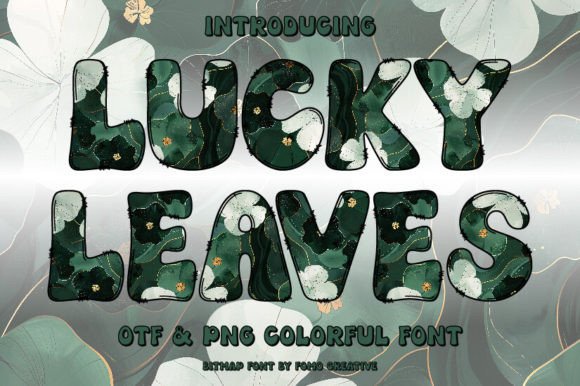
Unlike standard fonts that rely on a single solid color, Lucky Leaves incorporates gradients, shading, and multi-toned effects directly into each character. The result is lettering that looks hand-painted, layered, and alive. Whether you're working on a logo for a boutique brand, designing packaging for an artisan product, or creating social media posts that need to stop the scroll, this typeface delivers a level of visual depth that typically requires hours of manual editing in design software.
What Makes a Color Font Different—and Why It Matters for Your Work
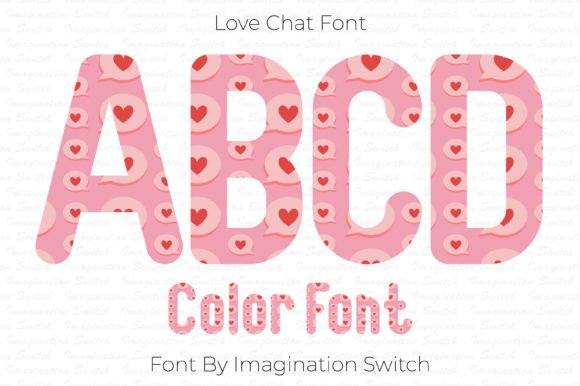
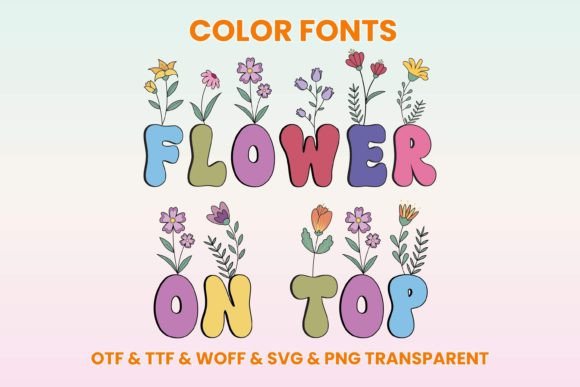
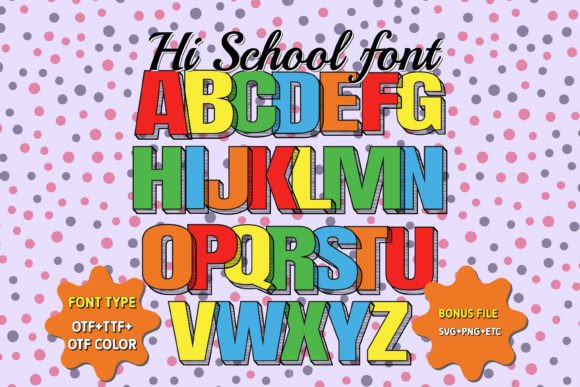
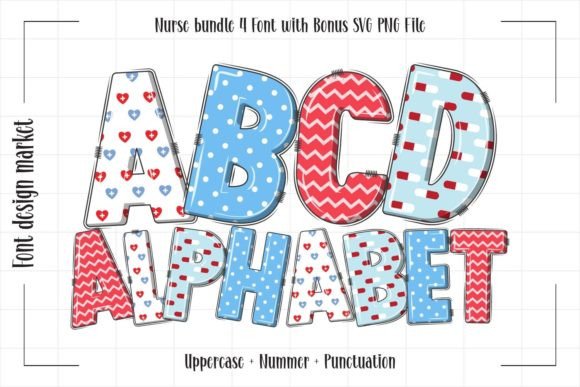
Most people think of fonts as simple shapes that take on whatever color you assign in your toolbar. Color fonts flip that assumption. They carry their own embedded color information, meaning each glyph can display multiple hues, textures, and effects without any additional styling on your part.
Lucky Leaves takes this concept and applies it with a natural, organic aesthetic. Think of it as a premium font that bridges the gap between typography and illustration. The letterforms have a handcrafted quality—slightly irregular edges, layered tones, and a warmth that feels inviting rather than sterile. This makes it particularly well-suited for projects where personality and authenticity matter more than rigid geometric precision.
For designers who spend hours adding drop shadows, gradient overlays, or texture effects to text, a color font like this one can be a genuine time-saver. You install it once, select it in your design program, and the visual complexity is already there. No extra steps required.
Where Lucky Leaves Truly Shines: Real-World Creative Applications
The versatility of this typeface is one of its strongest selling points. Here's where it tends to make the biggest impact:
- Logo design and brand identity: If you're building a visual identity for a lifestyle brand, wellness company, café, or creative studio, Lucky Leaves offers a distinctive look that's hard to replicate with standard serif or sans serif fonts. It communicates warmth, creativity, and attention to detail—qualities that resonate with audiences seeking authenticity.
- Packaging design: On product labels, boxes, and bags, the multi-toned lettering catches the eye in ways that flat text cannot. It works especially well for organic products, handmade goods, specialty foods, and beauty brands where the packaging needs to reflect the care that went into the product itself.
- Social media graphics: Platforms like Instagram and Pinterest are intensely visual. A color font adds instant visual interest to quotes, announcements, and promotional posts. Because the text itself becomes a focal point, you can often simplify your overall layout and still create something that feels polished and engaging.
- Invitations and greeting cards: Wedding invitations, birthday cards, holiday greetings, and event announcements all benefit from typography that feels celebratory and special. Lucky Leaves brings that festive energy without looking cartoonish or overdone.
- Editorial layouts and digital products: Magazine covers, e-book headers, blog post graphics, and course materials can all use a display font like this to create hierarchy and draw attention to key headlines or callout text.
- Merchandise and print materials: Tote bags, mugs, posters, and flyers gain personality when the headline text carries its own visual weight. For small businesses selling physical products, this kind of creative font can become part of a recognizable visual signature.
Matching Typography to Your Project Goals
Choosing a font isn't just about finding something that looks nice in isolation. It needs to serve the specific goals of your project. Lucky Leaves works best as a display font—meaning it's ideal for headlines, titles, logos, and short bursts of text where visual impact is the priority. It's not designed for body copy or long paragraphs, and that's perfectly fine. Every typeface has a role to play.
Pair it with a clean, readable body font—something like a simple sans serif or a classic serif—and you'll create a strong contrast that guides the reader's eye naturally. The display font grabs attention; the body font delivers the details. This kind of thoughtful font pairing is one of the simplest ways to elevate a design from amateur to professional.
Before committing to any typeface for a client project or your own brand, it's worth testing how it looks at different sizes, on different backgrounds, and alongside other design elements. With color fonts especially, the appearance can shift depending on the background color and the medium. A font that looks stunning on a dark background might lose its impact on a light one, or vice versa. Always mock it up in context before finalizing.
Compatibility Considerations You Should Know About
One important detail to keep in mind: the color version of Lucky Leaves works with specific design programs. If you're using Adobe Photoshop, Adobe Illustrator, Silhouette Studio, or Inkscape, you'll have full access to the color features embedded in the font files. However, the color version is not compatible with Cricut Design Space or most other cutting machine software.
The black version, on the other hand, works across a broader range of platforms, including Cricut. So if you're a crafter who uses a cutting machine for vinyl decals, iron-on transfers, or paper projects, you can still use Lucky Leaves—you'll just be working with the monochrome version.
This distinction matters because many people assume all fonts work everywhere. Color fonts are a relatively newer format, and software support is still catching up. If you're unsure whether your design program supports color fonts, check the documentation or test with a free sample before purchasing. It's a small step that can save frustration later.
Building a Recognizable Brand with Distinctive Typography
For small business owners and entrepreneurs, typography is one of the most underused tools in the branding toolkit. The fonts you choose become part of how people recognize and remember your business. A consistent typeface used across your website, social media, packaging, and printed materials creates a sense of cohesion that builds trust over time.
Lucky Leaves can serve as the signature display typeface for a brand that wants to project creativity, warmth, and a handmade sensibility. It's particularly effective for businesses in the wellness, lifestyle, food, beauty, and creative services spaces—industries where personality and visual storytelling play a significant role in purchasing decisions.
That said, brand typography should always be intentional. Before adopting any new typeface, consider your target audience, your brand values, and the competitive landscape. A font that feels perfect for an organic skincare line might not suit a tech startup or a financial consultancy. The goal is alignment between how your brand looks and what it stands for.
Final Thoughts on Making the Most of This Creative Font
Lucky Leaves isn't trying to be everything to everyone. It's a display typeface with a clear personality—organic, colorful, and visually rich. Used thoughtfully, it can become a standout element in your design toolkit, adding character to projects that need a touch of artistry without requiring hours of manual graphic work.
Whether you're a seasoned designer looking for a fresh display font to add to your library, a small business owner crafting your first brand identity, or a hobbyist creating invitations and prints for friends and family, this typeface offers genuine creative value. Just remember to pair it wisely, test it in context, and make sure the color version aligns with the software you actually use day to day.
Good typography doesn't have to be complicated. Sometimes it just needs to be interesting enough to make someone pause, read, and remember.