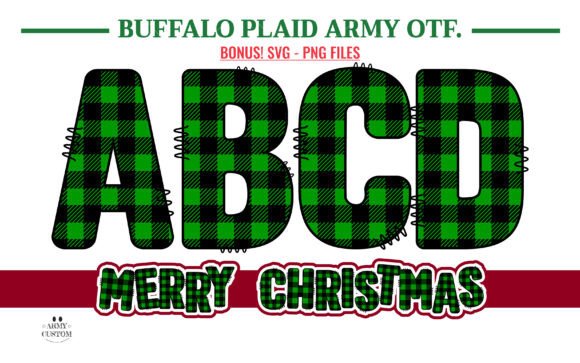
The Warmth of Buffalo Plaid: A Font for Festive Designs
There’s something undeniably comforting about the deep, rich lines of a classic plaid. It evokes images of flannel shirts, cozy blankets by the fire, and the timeless cheer of the holiday season. Translating that powerful visual and emotional feeling directly into your typography is now possible, moving beyond a simple pattern to become a functional design asset. This is where a unique typeface enters the scene, offering a way to infuse your projects with instant seasonal warmth and character.
Understanding the Visual Power of This Timeless Pattern
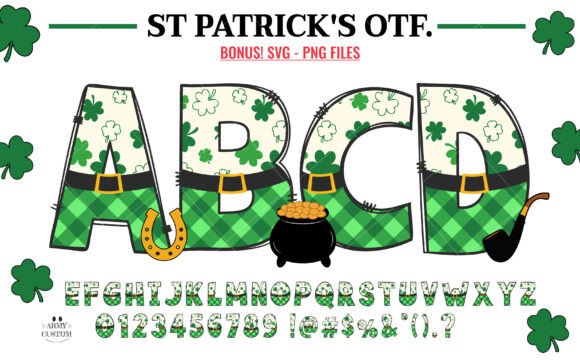
At its core, the Buffalo Plaid pattern is a study in balance and bold simplicity. Its characteristic intersecting bands of color—most iconically in red and black—create a grid that feels both structured and deeply organic. This visual weight makes it impossible to ignore. When rendered as a font, each letterform becomes a miniature canvas for this pattern. The effect is a typeface that doesn't just spell out words; it creates a statement. The seamless integration of the plaid within the characters ensures that the pattern flows uninterrupted, whether you're writing a single headline or a full paragraph. This design choice is what separates a gimmick from a genuinely useful creative font, allowing for applications in logo design, packaging, and editorial layouts where a cohesive look is paramount.
Practical Applications for Creators and Brands
So, where does a patterned display font like this actually work? The answer lies in its versatility for projects that aim to capture a specific mood. Think beyond the obvious holiday card. A small-batch candle company could use it on labels for a seasonal scent, instantly communicating "winter comfort." A bakery's social media graphics for a gingerbread cookie decorating class would gain immediate thematic appeal. It’s a natural fit for event posters, wedding invitations with a rustic theme, or the branding for a mountain lodge or ski resort.
For digital creators, this font shines in creating engaging social media posts, blog headers, and Pinterest graphics that stop the scroll. It can add a festive touch to website banners during the holiday shopping season or bring personality to digital product packaging, like printable planners or festive clipart sets. The key is using it where its bold, decorative nature can be appreciated without overwhelming the core message—typically in headlines, logos, or short bursts of impactful text.
Integrating a Thematic Font into Your Design Toolkit
Adopting a specialized typeface requires a bit of strategy to ensure it enhances rather than hinders your work. First, consider the hierarchy. A patterned font is a star player, best used for primary headlines, logos, or call-to-action buttons. Pair it with a clean, highly readable sans serif or a simple serif font for body text. This contrast ensures your message remains clear while the display font delivers the emotional punch.
Testing is non-negotiable. Before committing, see how the font renders in your specific design software. Check the legibility of each character, especially at smaller sizes. Does the 'a' and 'o' remain distinct? Does the pattern become muddy? Also, review the included font styles. Many premium fonts come with alternates, ligatures, or multiple weights—like a solid black version for broader compatibility and a full-color version for supported programs. Understanding these assets upfront saves headaches later.
Finally, think about commercial licensing. If you're using the font for client work, merchandise, or digital products for sale, ensure the license permits commercial use. A reputable font provider will make these terms clear, protecting both your project and the original creator.
Choosing the Right Style for Your Project's Goal
The font you select is a direct ambassador of your brand's personality. A Buffalo Plaid typeface communicates specific values: tradition, warmth, comfort, authenticity, and a touch of rustic charm. It’s an excellent choice for brands in the lifestyle, home goods, food, outdoor, and holiday sectors. However, it would be a mismatch for a tech startup aiming for a sleek, minimalist aesthetic. Always align your typographic choices with the story you want to tell.
Remember, the goal of modern typography is not just beauty but function. A creative font should solve a communication problem—in this case, how to instantly evoke a festive, cozy feeling. By pairing this distinctive typeface thoughtfully with simpler fonts and using it in the right context, you create designs that feel both professionally polished and emotionally resonant. It’s about adding a tool to your kit that helps you connect with your audience on a visual and sensory level, turning ordinary text into an experience.