Relax: The Font That Brings Warmth and Personality to Your Designs
There’s a particular kind of magic in a design that feels both approachable and intentional. You’ve seen it on the packaging of a local artisan’s jam, on the header of a blog that feels like a conversation with a friend, or on an invitation that immediately sets a tone of casual elegance. This magic often hinges on a single, powerful element: the typeface. For projects that need to convey warmth, creativity, and a human touch, the Relax font family emerges as a compelling choice, offering a blend of whimsy and readability that’s hard to find.
More Than Just Letters: The Visual Personality of Relax
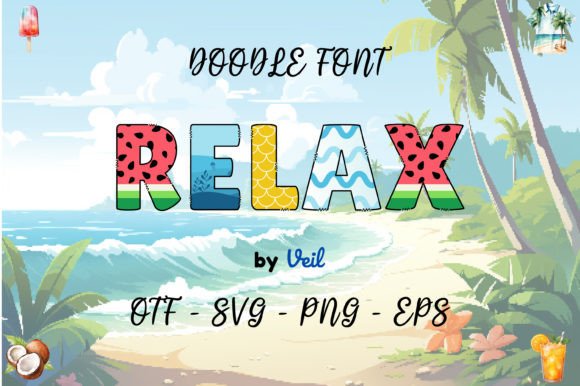
At its core, Relax is a display font with a distinctly handwritten character, but it’s executed with a sophistication that elevates it beyond casual scribbles. Its letterforms feature gentle, organic curves and a slight imperfection that feels authentic, as if crafted by a skilled hand rather than a sterile algorithm. This isn’t a script font that sacrifices legibility for flair; it’s designed to be read. The consistent weight and thoughtful spacing ensure that words flow smoothly, making it a viable option for both headlines and shorter blocks of text where personality is paramount.
What makes it visually appealing is this balance. It carries the playful energy of a creative font often used in children’s literature or artistic posters, yet it maintains a clean, modern aesthetic. It avoids being overly childish, which broadens its utility. The included font styles—often encompassing regular, bold, and sometimes italic or alternate characters—provide designers with a versatile toolkit. You can create hierarchy and emphasis within a single typographic family, ensuring your brand identity remains cohesive across all touchpoints.
From Brand Foundations to Social Media Feeds: Where Relax Shines
The true test of any premium font is its real-world application. Relax excels in scenarios where you want to build an immediate emotional connection with your audience.
For Branding and Logo Design: A logo sets the first impression. Using Relax for a wordmark or a key tagline can instantly communicate that a brand is friendly, approachable, and creative. It’s particularly effective for lifestyle brands, boutique studios, wellness coaches, indie publishers, or any small business that wants to stand apart from corporate sterility. Pair it with a simple sans serif font for body text to create a dynamic and readable font pairing.
In Packaging and Product Design: Think of the label on a handmade candle, a bag of specialty coffee, or a box of organic tea. Relax can add the artisanal, crafted feel that consumers associate with quality and care. Its readability ensures that essential product information isn’t lost in the design.
Across Digital and Print Marketing: The versatility of this typeface is a major asset. It translates beautifully to social media graphics, where its personality can help stop the scroll. Use it for quote graphics, sale announcements, or Instagram story headers. On websites and blogs, it can be used for section headings or featured article titles to inject personality without compromising the user experience. For print materials like posters, flyers, and invitations, it creates a memorable and engaging visual statement.
Making It Work: Practical Advice for Using This Creative Font
Choosing a font like Relax is just the first step. Implementing it effectively is what brings your project to life.
- Match the Font to the Project’s Voice: Ask yourself what emotion you need to evoke. Is it playful and energetic? Warm and comforting? Artistic and free-spirited? Relax leans toward the warm and artistic spectrum. It might not be the right fit for a law firm’s annual report, but it’s perfect for a yoga studio’s new class schedule or a bakery’s menu.
- Prioritize Readability: Even the most beautiful font fails if it can’t be read. Use Relax for headlines, logos, and short calls-to-action. For longer paragraphs of body copy, always pair it with a highly legible serif or sans serif font. Test your designs at different sizes, especially for web design, to ensure clarity on both desktop and mobile screens.
- Explore the Included Styles: Don’t just use the regular weight. If the font family includes a bold version, use it for key phrases. If there are alternate characters, experiment with them to add a unique flair to a logo or monogram. This exploration is key to unlocking the full value of a design asset like this.
- Check the Licensing: For any commercial project—from merchandise and digital products to client work—always verify the commercial font license. Understand what is permitted regarding installations, print runs, and digital distribution. Reputable foundries provide clear licensing terms, which is a crucial part of professional design practice.
Crafting a Cohesive Visual Story
Ultimately, typography is a tool for storytelling. The consistent use of a font like Relax across your marketing assets—from your website to your business cards to your email newsletters—builds visual consistency. This consistency is the bedrock of brand recognition. When your audience sees that familiar, friendly lettering, they immediately associate it with your brand’s personality and values.
It transforms your communication from merely informational to experiential. A menu set in Relax doesn’t just list dishes; it suggests a certain dining atmosphere. A workshop flyer using the font doesn’t just announce an event; it conveys the creative energy participants can expect. This is the power of thoughtful modern typography.
So, whether you’re a small business owner crafting your first brand kit, a content creator looking to refresh your visual style, or a designer searching for a creative font that bridges the gap between playful and professional, consider what Relax can bring to your table. It’s more than just a set of glyphs; it’s a starting point for building genuine connections through design.