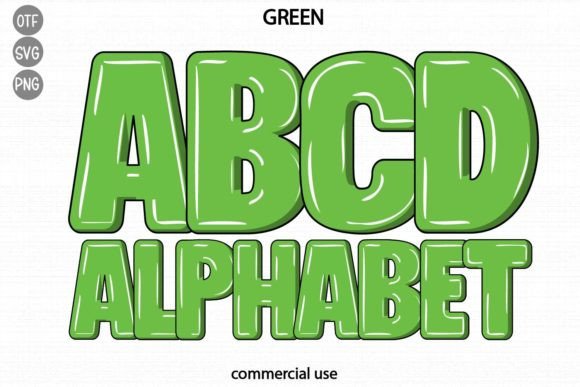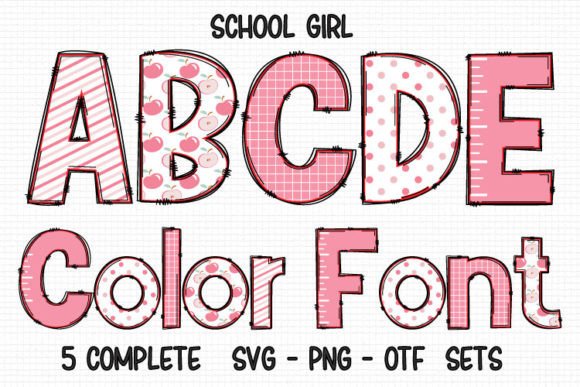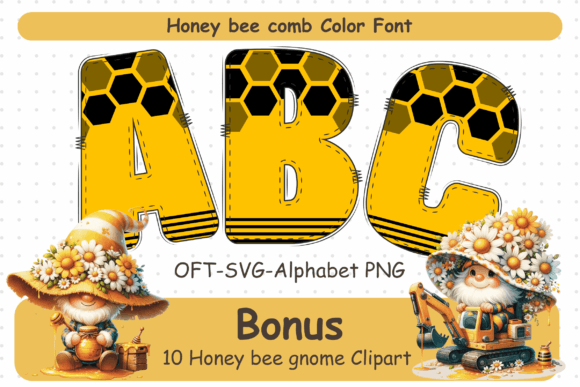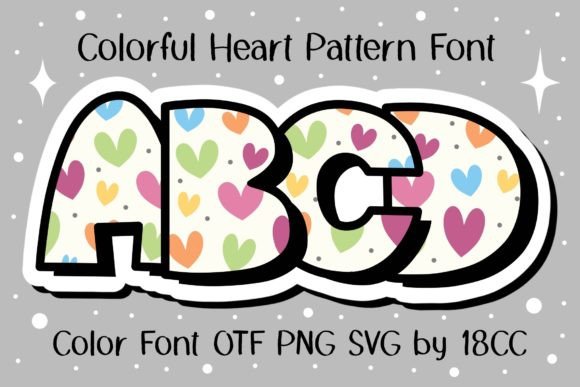
Green Line: A Font with Playful Charm and Creative Flexibility
There's something instantly appealing about a typeface that feels handcrafted—like it was drawn with a steady hand and a bit of personality. That's the energy Green Line brings to the table. It's the kind of font that doesn't just sit quietly on a page; it invites you in, makes you smile, and leaves a lasting impression. If you've been searching for a typeface that balances whimsy with versatility, this one deserves a closer look.
What Makes Green Line Stand Out in a Crowded Font Market
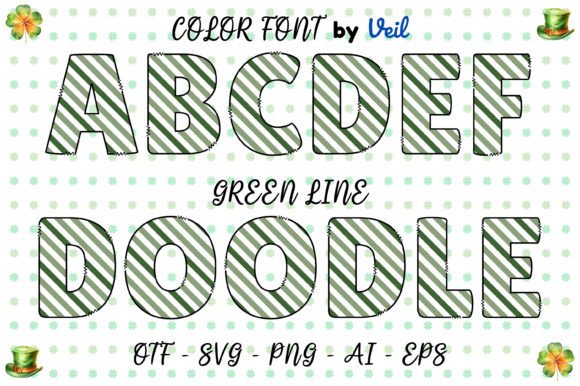
Green Line isn't trying to be everything to everyone, and that's precisely what makes it so effective. It carries a distinctive character—rounded edges, gentle curves, and a rhythm that feels organic without being messy. Think of it as the handwritten note you'd find tucked inside a beautifully designed card: personal, warm, and intentional.
What sets it apart from generic playful fonts is its level of polish. Many whimsical typefaces sacrifice legibility for style, leaving designers frustrated when text becomes unreadable at smaller sizes. Green Line manages to maintain clarity across a range of applications, from large display headlines to shorter blocks of body copy. That balance is harder to find than you'd think, and it's what makes this font a genuinely useful tool rather than a novelty.
The letterforms have a consistent weight and spacing that feel considered. Each character connects to the next in a way that mimics natural handwriting without descending into chaos. This makes it particularly effective for projects where you want warmth and approachability without looking amateurish.
Where Green Line Truly Shines: Real-World Applications
Let's talk about where this typeface actually works in practice. Designers, small business owners, and content creators often reach for fonts like Green Line when they need to communicate friendliness, creativity, or a handmade aesthetic. Here's where it tends to perform best:
Branding and Logo Design — If your brand personality leans toward approachable, artistic, or youthful, Green Line can anchor your visual identity. It works beautifully for bakeries, boutique shops, children's brands, wellness studios, and creative agencies that want to feel human rather than corporate. Paired with a clean sans serif font for supporting text, it creates a logo system that's both memorable and functional.
Packaging Design — Imagine this font on a candle label, a jam jar, or a box of artisan chocolates. Its handcrafted quality immediately signals care and authenticity—qualities that matter enormously in product packaging. The slightly irregular texture of the letterforms suggests something made with intention, which resonates with consumers who value quality over mass production.
Social Media Graphics — On platforms like Instagram and Pinterest, where visual noise is constant, a distinctive font helps your content stand out. Green Line works well for quote graphics, promotional announcements, story overlays, and highlight covers. It's expressive enough to catch a scrolling thumb but legible enough to deliver your message in a split second.
Invitations and Greeting Cards — This is perhaps the most natural home for a font like this. Wedding invitations, birthday cards, baby shower announcements, holiday greetings—these are contexts where personality and warmth are exactly what you're after. Green Line delivers that hand-lettered feel without requiring actual calligraphy skills.
Children's Books and Educational Materials — Fonts designed for young readers need to be engaging without being confusing. Green Line's clear letterforms and playful energy make it suitable for book titles, chapter headings, and display text in children's publishing. It creates that magical, storybook quality that draws kids into a narrative before they've even read a word.
Website Headers and Blog Graphics — For bloggers and digital creators, typography is a quick way to establish mood. Using Green Line for section headers, pull quotes, or featured image text adds visual interest and reinforces a creative brand voice. It pairs especially well with minimal, modern layouts where the font becomes a focal point rather than competing with cluttered design elements.
Posters and Print Materials — Event posters, flyers, menu designs, and promotional materials all benefit from typefaces with personality. Green Line's display qualities make it ideal for headlines that need to communicate energy and excitement—think art shows, farmers markets, workshop announcements, or festival branding.
Merchandise and Digital Products — Tote bags, mugs, t-shirts, stickers, printable wall art—these products thrive on bold, expressive typography. Green Line's distinctive character translates well across physical and digital merchandise, giving products a cohesive, professional look that customers are happy to display.
Practical Tips for Getting the Most Out of This Font
Choosing a font is only half the equation. Knowing how to use it effectively is what separates good design from great design. Here are some grounded recommendations for working with Green Line in your projects.
Start with Your Project Goals. Before you commit to any typeface, ask yourself what emotion or message you need to communicate. If your project calls for authority and seriousness, Green Line probably isn't the right fit. But if you need warmth, creativity, approachability, or a handmade quality, it's worth testing. Matching typography to intent is the foundation of effective visual communication.
Test Font Pairings Carefully. A whimsical display font like Green Line rarely works well on its own for extended text. Pair it with a neutral companion—a clean sans serif font like Montserrat, Lato, or Open Sans for body copy creates a pleasing contrast. The display font handles personality; the supporting font handles readability. This kind of font pairing strategy is standard practice in professional design, and it ensures your layouts feel balanced rather than overwhelming.
Pay Attention to Size and Spacing. Playful fonts often benefit from generous sizing. Let Green Line breathe at larger point sizes where its character can really show. For smaller applications, test readability at the actual size you'll be using—what looks beautiful at 48 points might become muddy at 12. Adjust letter spacing if needed, and always preview on multiple devices if your project includes digital applications.
Review the Included Font Styles. Many premium fonts come with multiple weights, alternates, or stylistic variations. Before you start designing, explore what's included in the font package. You might find ligatures, swashes, or alternate characters that add extra flair to specific words or initials. Understanding your full toolkit prevents you from missing opportunities to elevate your work.
Consider Your Color Palette. Typography doesn't exist in isolation. The color you apply to Green Line affects how its personality reads. Soft pastels reinforce gentleness; bold, saturated hues amplify energy; dark neutrals ground it with sophistication. Think about how your font and color choices work together to tell a cohesive visual story.
Don't Overuse It. This is a common mistake with expressive typefaces. When everything is playful, nothing stands out. Use Green Line strategically—as a headline font, a logo element, or an accent—rather than saturating every piece of text in your project. Restraint is what gives expressive typography its impact.
Licensing and Commercial Considerations Worth Noting
If you're planning to use Green Line for commercial projects—client work, products for sale, marketing materials, or branded content—make sure you understand the licensing terms. Most premium fonts come with specific usage rights that cover print, digital, and merchandise applications. Some licenses are per-user; others are per-project. Reading the fine print before you build a brand identity around a particular typeface saves headaches later. Reputable font marketplaces and foundries make licensing terms transparent, so take a few minutes to review them before purchasing.
For designers working with clients, it's also worth noting whether the license allows for embedding fonts in digital products like PDFs, apps, or websites. These details matter when your typography needs to travel across multiple formats and platforms.
Why Thoughtful Typography Still Matters
In a landscape saturated with Canva templates and free font downloads, investing in a quality typeface might feel like a small decision. But typography is one of the most powerful tools in visual communication. It shapes first impressions, guides reading behavior, and reinforces brand identity in ways that color and imagery alone can't achieve.
Green Line offers something specific: a handcrafted, inviting personality that works across a surprising range of applications. Whether you're designing a logo for a new small business, creating social media content that stops the scroll, or putting together a children's book that sparks imagination, having the right font in your toolkit makes the creative process smoother and the final result more polished.
The best typography choices aren't about following trends—they're about finding typefaces that authentically represent the message you're trying to send. If that message involves warmth, creativity, and a touch of handcrafted charm, Green Line might be exactly what your next project needs.