Honey Bee Comb: A Playful Font for Creative Projects
There's a certain magic that happens when you find a font that doesn't just sit on the page but practically bounces off it. For anyone who has spent hours scrolling through font libraries, searching for that perfect typeface that feels both joyful and professional, the hunt can be exhausting. You want something with personality, something that communicates warmth and approachability, but it also needs to be versatile enough for real-world applications. This is where a carefully crafted display font can transform a good design into a memorable one, bridging the gap between playful energy and clear communication.
More Than Just Letters: The Visual Appeal of a Chunky, Color Font
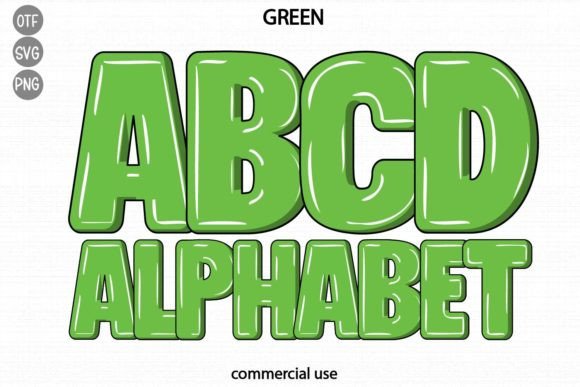
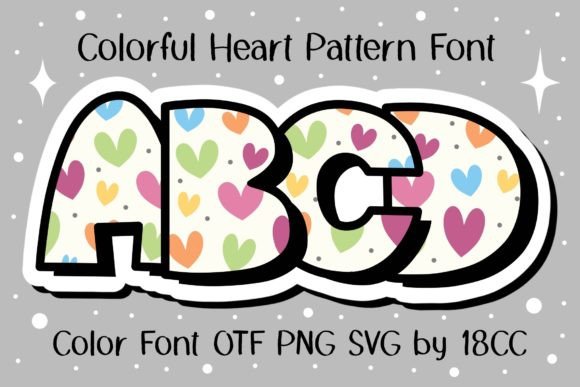
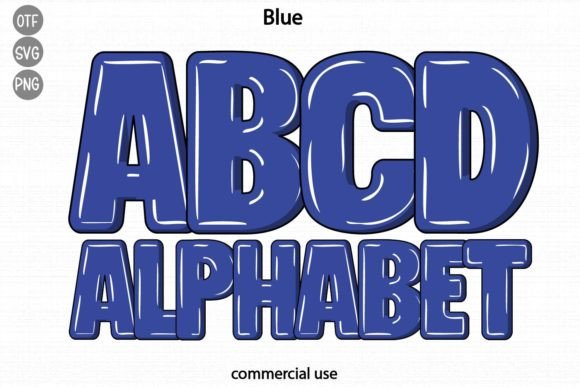
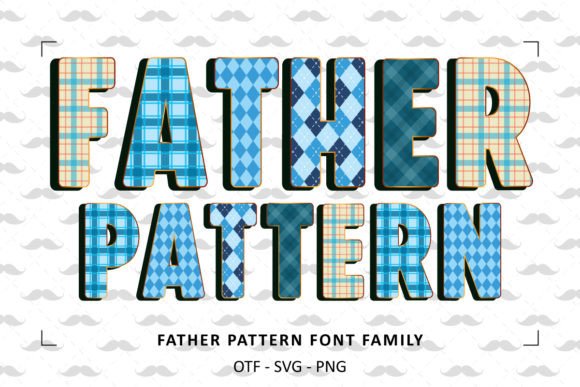
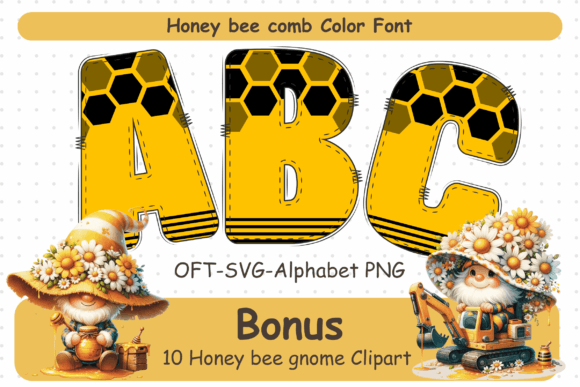
At its core, Honey Bee Comb is a color font that immediately draws the eye. Unlike traditional single-color typefaces, a color font incorporates multiple hues, gradients, or even textures directly into the letterforms. The "Comb" in its name likely refers to the structured, honeycomb-inspired aesthetic, but its execution is anything but rigid. The chunky lettering provides a substantial, confident presence, while the integrated colors—think vibrant yellows, soft oranges, and rich browns—inject instant life into any layout. This isn't a subtle, background font; it's a design asset meant to be a focal point.
The visual appeal lies in its authenticity. It doesn't try to mimic a handwritten script with perfect imperfections, nor does it emulate a sleek, corporate sans serif. Instead, it embraces a doodle-like, illustrative quality. This makes it particularly effective for projects targeting families, children, or any audience that appreciates a touch of whimsy. The chunky construction ensures it remains highly legible even at smaller sizes or from a distance, a critical factor for packaging and signage.
Practical Applications: Where This Font Truly Shines
Understanding a font's personality is one thing; knowing where to deploy it is another. The strength of a creative font like this is its ability to adapt to various contexts while maintaining its core character. For small business owners and entrepreneurs, this could be the secret weapon for standing out in a crowded market.
- Branding & Logo Design: A logo sets the tone for your entire brand identity. Using this typeface for a children's boutique, a family-friendly bakery, an educational app, or a creative workshop immediately communicates fun, creativity, and approachability. It can serve as the primary logo type or as a supporting font for taglines and sub-marks.
- Packaging & Merchandise: On product packaging, especially for kids' snacks, craft supplies, or artisanal goods, the colorful, chunky letters can make a product jump off the shelf. It works beautifully for labels, hang tags, and even printed directly onto merchandise like tote bags or t-shirts.
- Digital Presence: For social media graphics, it's a game-changer. Instagram posts, Facebook ads, or Pinterest pins using this font will stand out in a fast-scrolling feed. It's also excellent for website headers, blog post titles, or call-to-action buttons on sites aimed at a creative or youthful demographic. For digital products like printable planners, educational worksheets, or party invitation templates, it adds immense perceived value.
- Print & Editorial: Don't limit it to digital. Think posters for community events, invitations for birthday parties, or engaging headings in a children's magazine. In editorial design, it can be used for pull quotes or section headers to break up text and add visual interest.
Integrating a Display Font into Your Design Workflow
Adopting a bold, stylistic font requires some strategy. The goal is to harness its energy without overwhelming your design or sacrificing clarity. Here’s some practical advice for using a font like Honey Bee Comb effectively.
Pairing is Key: A display font with this much personality should be balanced with a more neutral companion. For body text, choose a clean sans serif font or a highly readable serif font. This creates a visual hierarchy where the headline grabs attention and the supporting text provides easy-to-digest information. Avoid pairing it with another highly decorative script font or handwritten font, as they will compete for attention.
Context Matters: Always consider your audience and project goal. This font is perfect for a daycare center's flyer but might not be the right choice for a law firm's annual report. Test it in context. Mock up your design—whether it's a website header, a product label, or a social media post—to see how it feels in the intended environment.
Leverage the Full Toolkit: A professional premium font often comes with more than just the basic alphabet. Check for additional styles, alternate characters, or multilingual support. These extras can add depth and customization to your designs, allowing for more unique typographic expressions.
Understand the License: Before using any commercial font in a client project or for sale, ensure you have the correct license. Most font licenses specify usage rights for desktop, web, and digital products. Clarifying this upfront protects you and your clients legally and supports the type designers who create these valuable tools.
Making Your Designs Come Alive with Authenticity
In a world saturated with generic templates and overused fonts, choosing a typeface with genuine character is a powerful form of visual communication. It’s about more than just aesthetics; it’s about building a brand identity that resonates emotionally with your audience. A font like Honey Bee Comb offers a solution for designers, crafters, and marketers who need to inject playfulness and authenticity into their work without compromising on professionalism.
Whether you're designing a logo for a new startup, creating engaging content for your blog, or developing marketing assets for a product launch, the right typography sets the stage. It can improve visual consistency across platforms, enhance brand recognition, and ultimately boost audience engagement. By thoughtfully integrating a distinctive display font into your toolkit, you give your projects the best chance to not only be seen but to be remembered.