Injecting Playful Energy into Your Projects with Candy Pop
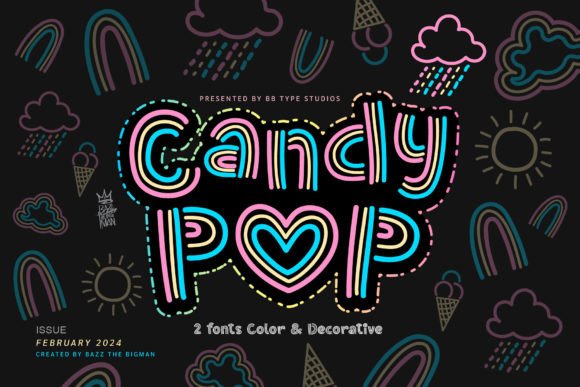
Every designer knows the struggle of finding a typeface that captures pure, unadulterated fun without looking cheap or amateurish. You want something that screams "celebration" and "sweetness," but still maintains enough structure to be usable in a professional context. That is the sweet spot where Candy Pop lives. It is a vibrant, color font designed to bring a tactile, decorative element to your work instantly. Imagine the glossy finish of a gumball or the colorful sprinkles on a donut—this typeface mimics that aesthetic digitally. It removes the hours of manual coloring and shading you would normally spend in Photoshop or Illustrator to get that "pop" effect. Instead of just typing words, you are placing colorful, 3D-looking objects onto your canvas. It transforms standard text into a design asset all on its own, making it an essential addition to the toolkit of anyone working on projects that require a cute, friendly, and energetic vibe.
The Psychology of "Sweet" Typography
Typography does more than just spell out words; it triggers emotional responses. When a potential customer or viewer sees a rounded, colorful, bubbly typeface like Candy Pop, their brain immediately associates it with joy, nostalgia, and approachability. This is crucial for branding that targets a younger demographic, families, or anyone looking for a lighthearted escape. If you are designing a logo for a bakery, a children’s clothing line, or a party supply store, a sterile sans-serif font will likely fall flat. You need a premium font that communicates the texture and mood of your product before the customer even reads the copy.
This specific display font excels at grabbing attention because it breaks the monotony of standard black-and-white text. In a crowded digital feed, a post featuring colorful, glossy typography stops the scroll. It suggests that the content is fun, lighthearted, and worth investigating. For brand identity, consistency in this feeling is key. By using Candy Pop for your headers or call-to-action buttons, you establish a visual language that promises a good time, which is a powerful tool for audience engagement.
From Digital Screens to Physical Craft Tables
One of the most versatile aspects of this typeface is its ability to bridge the gap between digital design and physical crafting. However, understanding the file formats is critical to a smooth workflow. The creator of the font has provided distinct versions for different needs, ensuring you get the best result whether you are printing a banner or cutting vinyl decals.
If you are a crafter using a Cricut or Silhouette machine, you are likely familiar with the limitations of standard font files when it comes to multi-color cutting. Candy Pop addresses this with two distinct modes. The black version is fully optimized for cutting machines, including Cricut Design Space. This allows you to cut the outline of the font in vinyl, cardstock, or iron-on material. You can then layer different colors of vinyl to recreate the candy effect manually, giving you full control over the color palette for physical products.
On the other hand, the color version of the font is a powerhouse for digital design. It utilizes OpenType features to render the text in full color, complete with highlights and shadows. It is important to note that this color version is compatible with advanced design software like PhotoShop, Illustrator, Silhouette Studio (Designer Edition and above), and Inkscape. Because of how color fonts are encoded, the OTF/TTF files for the color version are not directly compatible with Cricut for cutting. This distinction is vital for small business owners to understand: use the color version for your website graphics and social media images, but switch to the black outline version when preparing files for your cutting machine.
Practical Applications for Visual Impact
When deciding how to integrate a creative font like this into your workflow, consider the hierarchy of your design. Because Candy Pop is a display font with high visual density, it is rarely the right choice for long paragraphs or body text. Instead, it shines brightest when used strategically. Here are several ways to leverage its unique aesthetic for marketing assets and creative projects:
- Packaging Design: If you sell sweets, toys, or cosmetics, use this font for the product name on the box. It instantly communicates the flavor or the mood of the product.
- Social Media Graphics: Create "Shop Now" or "Limited Time Offer" stickers for Instagram Stories. The 3D effect makes the text look like a clickable button.
- Event Invitations: For birthday cards or baby showers, this font sets the tone immediately. It pairs beautifully with pastel backgrounds.
- Merchandise: T-shirts and tote bags often rely on a single, impactful graphic. A catchy phrase rendered in Candy Pop can become a standalone design without needing complex illustrations.
- Website Banners: Use it for seasonal sale headers on your e-commerce site to draw the eye to discounts.
For editorial design, such as magazine covers or book covers, this typeface works wonders for genres like children’s fiction, cookbooks, or lifestyle blogs. It injects personality into the layout, making the publication feel approachable and fun. Even in digital products, such as planner stickers sold on Etsy, having a font that looks like a finished sticker saves you hours of editing time.
Mastering Font Pairings and Readability
While Candy Pop is a showstopper, it cannot carry a design entirely on its own. The key to professional presentation is balance. Because this is a decorative, handwritten font style with a lot of texture, it demands a clean companion. Pairing it with a simple sans serif font or a clean serif font for your body text is essential for readability.
Imagine a restaurant menu. You might use Candy Pop for the header "Desserts" to evoke a sense of indulgence. However, the descriptions of the cakes and prices should be in a standard, legible typeface like Open Sans or Lato. If you use the decorative font for everything, the text becomes exhausting to read, and the design loses its impact. Contrast is your friend here.
Furthermore, consider the color palette of your project. The font comes with a pre-set colorful design, but it usually looks best against simple backgrounds. A white, cream, or very light pastel background allows the colors of the font to pop. If you place it against a busy photograph or a dark, neon background, the text may get lost or clash visually. Always test your font pairings and background contrasts before finalizing a design to ensure your message is communicated clearly.
Licensing and Commercial Usage
For entrepreneurs and content creators, the legal aspect of using design assets is just as important as the aesthetic one. When you purchase a commercial font like this one, you are typically buying a license that allows you to use it in projects that generate revenue. This includes client work, print-on-demand merchandise, and digital goods.
However, always review the specific license details provided with the download. Most licenses cover standard commercial use, but they might have restrictions on reselling the font file itself or embedding it in editable templates for resale. Since this font includes specific instructions for cutting machines and design software, it is also a good idea to bookmark the "Ultimate Font Guide" mentioned by the creator. This guide can help troubleshoot technical issues, ensuring you are using the font correctly within Cricut Design Space or Illustrator.
By respecting these guidelines, you protect your business and support the type designers who create these tools. Investing in a premium font elevates your work above those using default system fonts, signaling to your clients that you care about quality and originality. Whether you are designing a one-off poster or building a comprehensive brand identity, Candy Pop offers a unique blend of whimsy and utility that can truly make your creative projects stand out.