Half Leopard: Unleashing a Wild Aesthetic in Modern Typography
There is a specific challenge in visual communication that every designer and entrepreneur eventually faces: the need to convey luxury, energy, and distinctiveness without saying a single word. While sans serifs are safe and serifs are traditional, sometimes a project demands something with a heartbeat. Enter the concept of the Half Leopard typeface—a design asset that bridges the gap between the raw power of nature and the polished precision of high-end fashion. It is not merely a collection of letters; it is a texture, a mood, and a statement piece rolled into one.
The Allure of the Animalistic Print
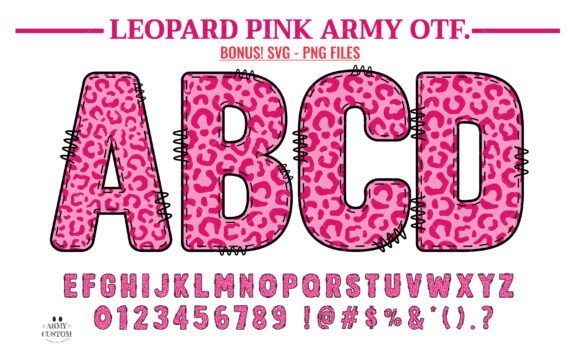
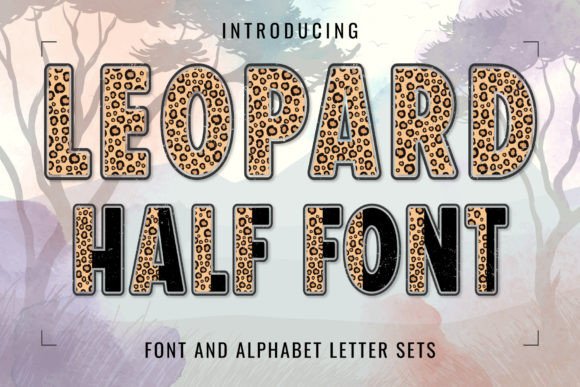
The visual language of animal prints, specifically leopard spots, has long been a staple in the fashion industry, but its application in digital design and typography is where things get interesting. The Half Leopard font style takes the irregular, organic patterns of a leopard’s coat and integrates them into the structure of modern typography. This creates a fascinating duality. The letterforms maintain the sleek curves and legibility required for headlines, but the surface texture introduces a layer of visual complexity that flat colors simply cannot achieve.
For designers working on projects that require a "fierce yet stylish edge," this typeface acts as a shortcut to that aesthetic. It eliminates the need to manually clip masks or overlay textures in Adobe Illustrator or Photoshop. You simply type your headline, and the font does the heavy lifting, instantly imbuing the text with a sense of wild sophistication. It speaks to an audience that appreciates the bold and the beautiful, making it a powerful tool for anyone looking to step outside the safety of standard web fonts.
Practical Applications for a Bold Typeface
Understanding where to deploy a display font like this is just as important as choosing the design itself. Because of its intricate detail and high visual impact, this style works best in specific scenarios where it can be appreciated without cluttering the message.
- Fashion and Beauty Branding: This is the natural home for such a font. Whether you are designing a logo for a boutique clothing line, creating lookbook headers, or styling a beauty blog, the leopard texture instantly communicates a sense of trendiness and high-end appeal.
- Event Invitations and Posters: Planning a themed party, a gala, or a concert? Using this typeface for the main headline can set the tone immediately. It suggests that the event will be exciting, vibrant, and memorable.
- Packaging Design: In the crowded space of retail shelves, packaging needs to pop. A product box or label featuring a leopard-skin font can attract the eye of a consumer scanning for something new. It works particularly well for cosmetics, accessories, or specialty food items that want to project a "bold flavor" or "wild ingredients" vibe.
- Social Media Graphics: On platforms like Instagram or Pinterest, where visual noise is high, a textured font can stop the scroll. It is excellent for quote graphics, sale announcements, or story highlights where you need to grab attention instantly.
- Merchandise: T-shirts, tote bags, and mugs often rely on graphic text. A premium font with this level of detail ensures that the merchandise looks professional rather than amateurish.
Integrating Texture into Brand Identity
When building a brand identity, consistency is key, but so is personality. If your brand voice is playful, confident, and a little bit daring, your typography needs to reflect that. However, using a highly decorative font requires a strategy to ensure your brand remains readable and professional.
The most effective way to use a typeface like Half Leopard is as a secondary or accent font. Imagine a brand that uses a clean, geometric sans serif font for its body copy—like product descriptions or blog posts. This ensures legibility and a modern feel. Then, for headlines, sub-headers, or logo lockups, the leopard texture is introduced. This hierarchy creates a visual rhythm that guides the viewer's eye. The clean text provides the information, while the textured text provides the emotion and the brand signature.
This approach prevents "visual fatigue." If an entire website were written in a leopard print font, it would likely be overwhelming and difficult to read. But used sparingly, it acts as a design element that elevates the entire layout. It transforms a standard business card into a tactile experience and turns a simple PDF report into a piece of editorial design.
Technical Considerations and Pairings
While the aesthetic is wild, the application of the font must be technical and precise. Here are a few practical tips for working with display fonts that feature heavy textures:
- Size Matters: Fonts with intricate details like spots or textures generally do not scale down well. If you try to use this font at 10pt for a paragraph, the spots will blur together, and the text will become unreadable. Reserve it for sizes 24pt and above to let the design breathe.
- Color Contrast: Because the font already has a lot of visual activity (the spots), the background needs to be relatively calm. Avoid placing this text over busy photographs or complex patterns. A solid color—whether a stark white, a deep black, or a solid brand color—will allow the typography to stand out.
- Font Pairing: The best partner for a wild display font is a "boring" workhorse font. Look for a modern typography staple like Helvetica, Montserrat, or Open Sans. These neutral fonts will not compete for attention; they will support the main headline and ensure the overall design feels balanced.
Additionally, always check the character set of the font file. A high-quality commercial font will often include alternates, ligatures, or multilingual support. Knowing these features allows you to customize the look further, perhaps swapping out a specific letter to improve the flow of a logo or headline.
Commercial Licensing and Usage Rights
One aspect of design that is often overlooked until the last minute is licensing. If you are a small business owner or a freelance designer, you must ensure that the font you are using is cleared for your specific project.
Most design assets found on reputable marketplaces come with a license that covers personal and commercial use, but the details can vary. For instance, a license might cover a logo for one client but require a different license if you are selling the logo as part of a template package to hundreds of people. If you are creating digital products—like printable planners or Canva templates—that include the font, you need to verify that the license permits redistribution or embedding.
Treat the font purchase as a business investment. Keeping a record of your license receipts protects you legally and ensures that your brand identity is built on a solid foundation. It is a small administrative step that saves significant headaches down the road.
Readability vs. Aesthetics
The eternal struggle in design is balancing beauty with function. A creative font like the leopard-inspired typeface is inherently artistic, but it must still communicate. Before finalizing a design, conduct a quick "squint test." Squint your eyes at the screen. Can you still distinguish the letters? Does the word look like a solid block, or can you still read the message?
If the texture is too dense, consider adding a slight drop shadow or an outer glow to separate the text from the background. Alternatively, check if the font comes with a "solid" or "clean" version. Many premium typefaces include a version without the texture for smaller text applications, allowing you to use the textured version only for the hero images or main logos. This ensures that your web design remains accessible to all users, including those with visual impairments, while still maintaining the stylistic flair you desire.
Final Thoughts on Standing Out
In a digital landscape saturated with minimalism and safe choices, choosing a typeface with character is a bold move. It signals to your audience that you are confident, creative, and unafraid to embrace a little bit of the wild side. Whether you are refreshing a blog layout, designing a new product launch, or creating assets for a social media campaign, incorporating a font with the visual weight of Half Leopard can be the catalyst that turns a standard project into something truly memorable. It is about finding that perfect intersection where your typography does more than just display words—it tells a story.