Blood: A Typeface with Organic Texture and Bold Character
There are typefaces that sit quietly in the background, doing their job without drawing attention to themselves. Then there are fonts like Blood—a decorative display typeface that immediately commands attention with its unique skin texture and organic, nature-inspired aesthetic. If you've been searching for a creative font that breaks away from the clean, minimalist trend dominating modern typography, this might be exactly what your next project needs.
What Makes Blood Visually Distinctive
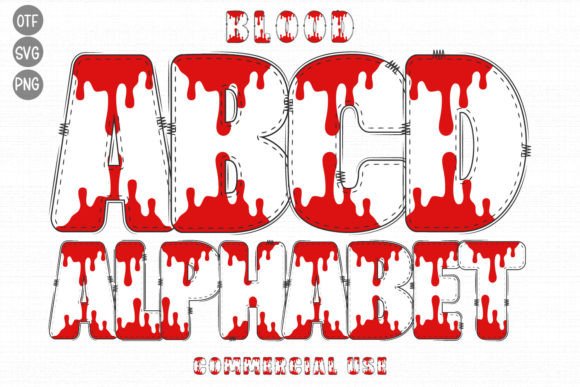
At its core, Blood is a display font with a textured surface that mimics the appearance of natural skin patterns. The letterforms carry an earthy, organic quality that sets them apart from standard serif fonts or sans serif fonts you'd find in most design software. Each character has subtle variations in its surface, giving the typeface a handcrafted feel that digital fonts often lack.
This isn't a typeface you'd use for body text in a legal document or a lengthy blog post. It's a creative font built for impact—titles, headers, logos, and anywhere you want typography to become a visual focal point rather than just a vessel for words. The texture adds depth and dimension that flat, clean fonts simply can't replicate.
What's particularly appealing about Blood is how it bridges the gap between playful and sophisticated. The organic texture gives it a natural, almost earthy quality, yet the letterforms themselves maintain enough structure to feel intentional and designed. This duality makes it surprisingly versatile for a decorative typeface.
Where This Font Truly Shines
Think about projects where you need typography that feels alive—where the letters themselves tell part of the story. Nature-themed designs are an obvious fit. A hiking brand's logo, an organic food company's packaging design, or a botanical garden's event poster would all benefit from a typeface that visually echoes the natural world.
Children's projects are another sweet spot. The textured, almost tactile quality of Blood appeals to younger audiences in a way that sterile, corporate fonts never could. Picture a children's book cover, a kids' workshop flyer, or educational materials about animals and nature. The font adds personality without sacrificing readability at display sizes.
Here are some practical applications where this typeface can elevate your work:
- Brand identity for outdoor adventure companies, organic brands, or nature retreats
- Logo design that needs to feel grounded and authentic
- Packaging design for artisan products, craft beverages, or natural cosmetics
- Social media graphics that need to stop the scroll with visual texture
- Event posters for festivals, markets, or community gatherings
- Invitations for themed parties, weddings with rustic aesthetics, or children's birthdays
- Merchandise like t-shirts, tote bags, and stickers
- Editorial layouts for magazine covers and feature spreads
- Website headers and hero sections that set a specific mood
- Digital products such as printable art, worksheets, or planners
Pairing Blood with Other Typefaces
One of the most common questions designers have about decorative fonts is how to pair them effectively. A textured display font like Blood works best when balanced with something cleaner and more neutral for supporting text. You don't want two competing textures fighting for attention—that creates visual noise rather than visual interest.
Consider pairing it with a simple sans serif font for body copy. Something like a clean geometric sans serif or even a straightforward humanist sans serif will provide the contrast needed to let Blood's personality come through without overwhelming the reader. The key is creating a hierarchy where the display font announces and the body font explains.
For projects that lean more editorial or sophisticated, you might experiment with pairing Blood alongside a classic serif font for subheadings. This creates a three-tier hierarchy—textured display heading, refined serif subheading, clean sans serif body—that gives your layout depth and visual rhythm.
A few practical tips for testing font pairings:
- Set your heading in Blood and your body text in your chosen companion font, then step back from the screen. Do they feel harmonious or jarring?
- Check that the x-heights and overall proportions work together. Sometimes two great fonts clash because their proportions are too similar or too different.
- Test at actual sizes. A pairing that looks balanced at 72pt might feel completely different when the body text drops to 14pt.
- Print a sample if your project involves print materials. Screen rendering and paper tell very different stories.
Readability Considerations for Texture-Heavy Fonts
Let's be honest about something: textured display fonts require more thought around readability than their clean counterparts. The surface detail that makes Blood visually interesting can also reduce legibility if used carelessly. This isn't a flaw—it's simply a characteristic to work with rather than against.
At large sizes, the texture adds character without compromising comprehension. A headline set in 48pt or larger will read clearly because the letterforms are big enough that the texture registers as detail rather than visual clutter. This is exactly why Blood works so well as a premium font for display purposes.
At smaller sizes, though, the texture can muddy the letterforms. This is why most designers avoid using decorative typefaces for body text, captions, or anywhere readability is the primary concern. Reserve Blood for moments of visual impact, and let your more conventional fonts handle the heavy lifting of long-form reading.
Color and contrast also matter significantly with textured fonts. High-contrast color combinations—dark text on light backgrounds or vice versa—help the texture read as intentional detail. Low-contrast pairings can make textured fonts feel muddy and difficult to parse, especially on screens with varying display quality.
Commercial Use and Licensing Considerations
If you're working on commercial projects—and many of you reading this probably are—licensing is a practical detail worth addressing before you commit to any typeface. Blood comes with commercial licensing, which means you can use it in client work, products for sale, marketing materials, and branded content without worrying about legal complications down the road.
This matters more than some designers realize. Using a font without proper commercial licensing can create serious problems, especially when a brand scales. A logo that looks great on a small business card might eventually appear on billboards, vehicle wraps, or national advertising campaigns. Starting with properly licensed fonts protects both you and your clients from unexpected costs or forced redesigns later.
Before starting any project, take a moment to review what's included with the font package. Check whether the license covers the specific use case you have in mind—web embedding, print production, merchandise, app development—and whether there are any restrictions on the number of users or installations. These details vary between font foundries and license types, so it's worth confirming before you invest design time into a typeface.
Making the Most of Your Font Library
Every designer and creative professional builds a font library over time, and the most useful collections include a mix of workhorses and statement pieces. You need your reliable sans serif fonts, your versatile serif fonts, and your go-to script fonts for everyday work. But you also need display fonts like Blood—the ones you reach for when a project calls for something with real visual personality.
The best approach is to experiment with new fonts on lower-stakes projects first. Try Blood on a personal blog header, a social media post, or a self-initiated design exploration before rolling it into a major client campaign. This gives you a feel for how the typeface behaves in different contexts, what it pairs well with, and where its strengths and limitations lie.
Pay attention to how the font renders across different platforms and media. A typeface that looks stunning on your desktop monitor might feel different on a mobile screen, in a printed brochure, or on a piece of merchandise. Testing across these contexts early helps you make informed decisions about where and how to deploy it effectively.
Typography remains one of the most powerful tools in visual communication. The fonts you choose signal tone, personality, and intention before anyone reads a single word. A typeface like Blood—bold, textured, and unmistakably organic—gives you a way to make that signal louder and more memorable when the project calls for it.